
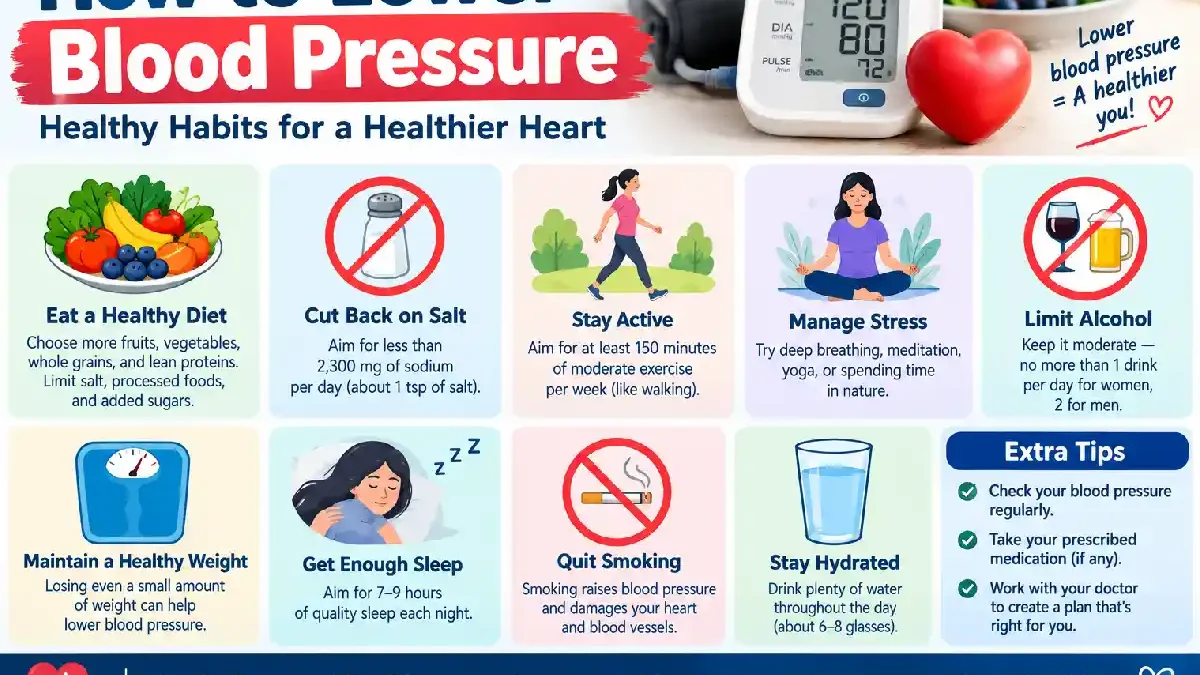
One of the most widespread illnesses leading to heart disease, strokes, kidney failure, and other complications is hypertension (high blood pressure). One of the most prominent issues with this illness is the lack of symptoms, since high blood pressure is frequently called a silent killer.
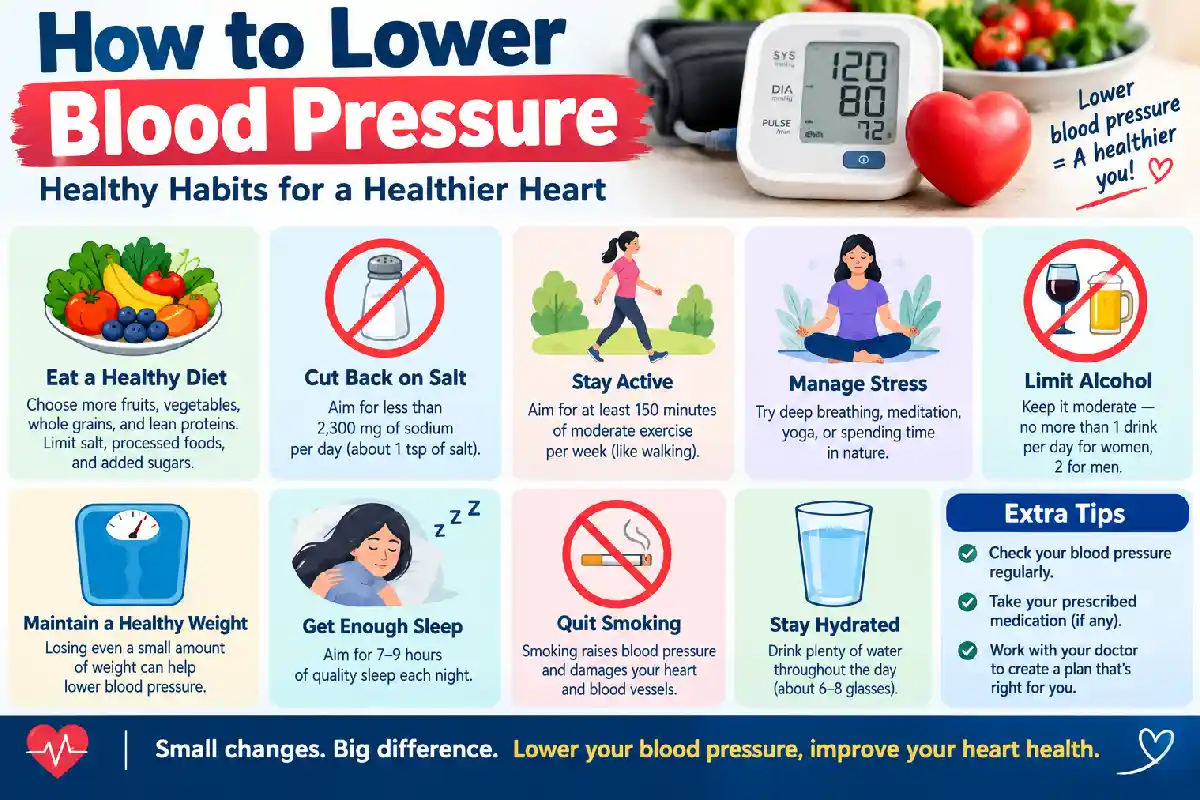
However, when thinking about how to reduce your blood pressure, one should consider several lifestyle factors as well as take special medications when needed. A healthy diet, decreasing salt intake, exercising, losing weight, moderate alcohol consumption, quitting smoking, stress relief, and healthy sleep are only some of the things one can do in order to lower blood pressure.
Table of Contents
What Is High Blood Pressure?
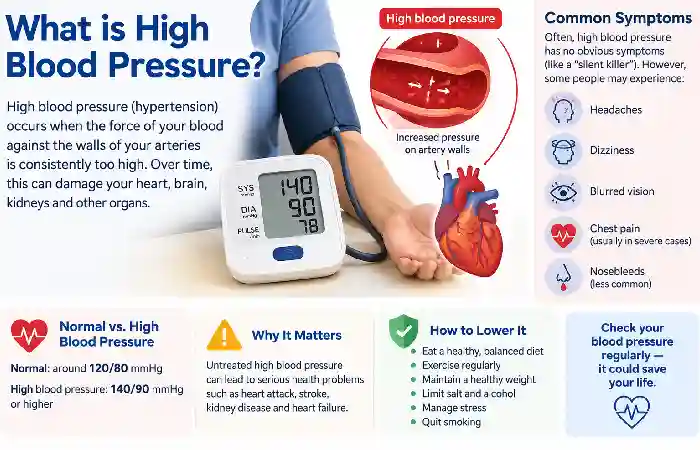
Blood pressure demonstrates the strength of the flow of blood in veins.
This indicator is usually represented by two digits: 120/80 mm Hg.
- Systolic pressure: The first digit is measured during heartbeats.
- Diastolic pressure: The second digit is measured during relaxation of the heart between beats.
1. Follow a Heart-Healthy Eating Plan
The lifestyle changes that will be of use to lower blood pressure include improvements in diet.
The DASH eating plan is a certain type of eating that helps people maintain their normal blood pressure.
Several aspects of the DASH eating style involve:
- Fruits
- Vegetables
- Wheat
- Beans
- Nuts and seeds
- Fish
- Lean protein
- Low- or no-fat dairy products
Simple Tips for DASH Eating Plan
It is not necessary to implement all tips right away.
One can make some simple changes such as:
- Adding vegetables to meals
- Consume fruits instead of sweets
- Consume whole grains instead of refined grains
- Consume more beans and lentils consumption
- Consume lean protein foods
- Do more cooking at home
2. Reduce Your Sodium Intake
Sodium restriction is one of the main changes in diet recommended for many people with hypertension.
Some examples of foods high in sodium content are:
- Prepackaged foods
- Fast foods
- Processed meat
- Canned soup
- Cooked packaged foods
- Salted snacks
- Sauces and condiments
According to NHLBI, the DASH diet allows a daily intake of 2,300 mg of sodium, while 1,500 mg per day will lead to a greater decrease in blood pressure for some individuals. The recommended amount depends on individual cases and should be determined by a health care provider.
Tips for Reducing Sodium Intake
Here are some of the recommendations that you may use:
- Read labels on food products.
- Use low-sodium products.
- Eat more fresh foods.
- Avoid processed foods.
- Add spices and herbs for flavoring.
- Eat fewer salty sauces and condiments.
- Eat fresh or frozen vegetables instead of highly salted vegetables.
3. Exercise Regularly
Physical exercise might help with the reduction and control of high blood pressure.
Such exercises as walking, cycling, swimming, dancing, and many others could help.
Easy Steps to Start
In case you have not been active:
- Take small steps.
- A daily walk is recommended.
- Increase your physical activities gradually.
- Try to find enjoyable physical exercises.
4. Get yourself in shape and stay there
High body weight might cause extra strain for the heart and blood vessels.
The NHLBI shows that losing weight, even a small amount, could help with health and blood pressure improvement.
It is not necessary to follow extremely restrictive diets.
Healthy ways to lose weight are:
- Balanced diet.
- Portion control.
- Promoting physical activity.
- Limiting highly processed foods.
- Nutritious snacks.
5. Eat More Fruits and Vegetables
Fruits and vegetables make up an essential component of a heart-healthy dietary pattern.
- Bananas
- Oranges
- Apples
- Berries
- Spinach
- Broccoli
- Carrots
- Tomatoes
- Lettuce
6. Drink Less Alcohol
Excessive intake of alcohol may lead to increased blood pressure levels.
Should you consume alcohol, consult with your healthcare provider regarding recommended limits of drinking. Some patients might be required to stop using alcohol completely due to:
- Medical conditions
- Medications
- Pregnancy
- History of alcohol abuse
7. Quit Smoking and Avoid Using Tobacco
Smoking and tobacco use can cause harm to the heart and blood vessels.
It is one of the key factors in improving overall cardiovascular health and quitting.
The NHLBI stresses the importance of quitting smoking as part of lifestyle modifications.
8. Manage Stress in Healthy Ways
Examples of this include how long-term stress can cause some individuals to:
- Consume unhealthy foods.
- Exercise less frequently.
- Smoke.
- Consume more alcohol.
- Sleep poorly.
Good techniques that can be used to manage stress include:
- Deep breathing.
- Walking.
- Meditation.
- Yoga.
- Being outside.
- Communicating with supportive individuals.
- Taking breaks from time to time.
Stress management is recommended by the NHLBI for a heart-healthy life.
9. Get Adequate Rest
Rest is another factor that is important in the overall cardiovascular health of the individual.
Adults need sufficient and high-quality rest, and the NHLBI recommends 7-9 hours of sleep for adults on a daily basis.
Good practices include:
- Consistent bedtime.
- A consistent sleep schedule.
- Establishing a quiet sleep environment.
- Avoiding stimulating activities before sleeping.
Foods That May Help Support Healthy Blood Pressure
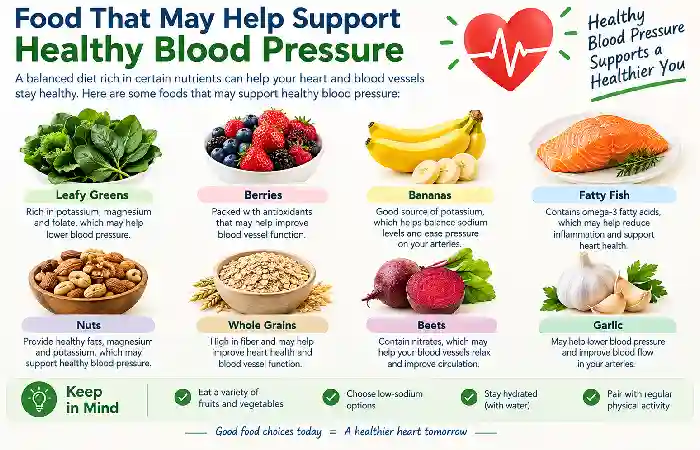
Various nutritious foods can make up a heart-healthy diet.
Fruits
Some examples of fruits include:
- Bananas
- Apples
- Oranges
- Berries
Vegetables
Some examples of vegetables include:
- Spinach
- Broccoli
- Carrots
- Leafy greens
Whole Grains
Some examples of whole grains include:
- Oatmeal
- Brown rice
- Whole grain bread
Healthy Sources of Protein
Some examples of protein sources include:
- Beans
- Lentils
- Fish
- Low-fat poultry
Unsalted Nuts and Seeds
This food group is part of the heart-healthy DASH diet.
Limited Foods
If you are working on lowering blood pressure, limit intake of food items rich in sodium and/or bad fats.
Such foods include:
- Processed meat
- Fast food
- Salty foods
- Microwave dinners
- Canned soup with lots of sodium
- Very processed foods
- Highly salty dressings
Eat more heart-healthy foods.
Can You Lower Blood Pressure Quickly?
There are certain factors that can influence blood pressure temporarily.
However, the existence of high blood pressure cannot be considered something that can be “solved instantly”.
The control of high blood pressure might take some time and sometimes require medicines.
Do not use any unverified home remedies that guarantee instant reduction of your blood pressure.
In case you have got unexpected high results, sit down and measure your blood pressure again according to the recommendations.
How to Measure Blood Pressure Correctly
Correct measurement is crucial.
Your blood pressure might be influenced temporarily by the following:
- Physical exercises
- Stress
- Caffeine
- Conversations while measuring
The American Heart Association recommends regular measurement of your blood pressure if you have high blood pressure.
When High Blood Pressure Is an Emergency?
Certain circumstances related to blood pressure might require emergency treatment.
If you suffer from high blood pressure and have such symptoms as:
- Chest pain
- Shortness of breath
- Numbness or weakness
- Speech problems
- Visual disorders
- Neurological symptoms
You should visit the emergency department.
A Simple Daily Plan for Lowering Blood Pressure
One way of doing this could be the following:
Morning
- Have a well-balanced breakfast.
- Take prescribed medications.
- Measure your blood pressure if you have been recommended to monitor it at home by your healthcare provider.
During the Day
- Consume more vegetables and whole foods.
- Minimize high-sodium food intake.
- Drink water in accordance with your health needs.
- Do exercises or remain physically active.
Evening
- Consume a well-balanced dinner.
- Minimize alcohol consumption.
- Engage in relaxation.
- Sleep at the same time.
Consistency, not perfection, should be your aim.
Conclusion
Finding ways to lower blood pressure will always start with making certain changes to your lifestyle.
The most efficient actions include the following:
- Following a healthy diet for the heart such as DASH.
- Reducing sodium intake.
- Regular physical activity.
- Adequate body weight maintenance.
- Limited alcohol intake.
- Avoiding tobacco use.
- Blood pressure stress management.
- Adequate sleep.
A DASH diet with sodium reduction, regular exercise, and other healthy practices will help you maintain normal blood pressure.