
Microwaves are one of the most frequently used appliances in modern kitchens. From reheating leftovers to preparing quick meals, they save time and effort every day. However, frequent use leads to inevitable food splatters, grease buildup, stains, and lingering odors.
If you’ve been searching for how to clean a microwave properly, this comprehensive guide covers everything — from quick daily maintenance to deep cleaning stubborn stains. Drawing from expert-recommended techniques and high-ranking cleaning resources, this article provides practical methods, comparison tables, cost insights, and long-term maintenance strategies to help you keep your microwave spotless and functioning efficiently.
Table of Contents
Why Regular Microwave Cleaning Matters
Cleaning your microwave isn’t just about appearance. It directly impacts hygiene, food safety, and appliance performance.
Key Benefits of Regular Cleaning
- Prevents bacterial growth from leftover food particles
- Eliminates unpleasant odors
- Maintains even heating performance
- Reduces risk of smoke and burning smells
- Extends appliance lifespan
- Improves overall kitchen hygiene
Food splatters left unattended harden over time, making them much harder to remove. A consistent cleaning routine prevents buildup and reduces the need for aggressive scrubbing later.
Best Ways to Clean a Microwave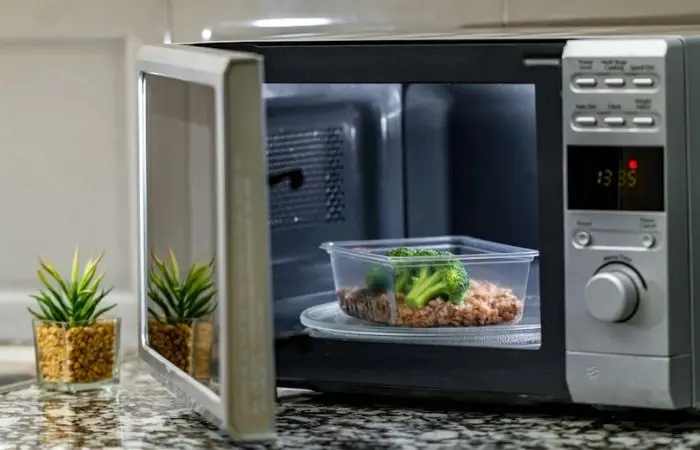
Below are the most effective and widely recommended cleaning methods, ranked by effectiveness, ease, and affordability.
1. Steam Cleaning with Vinegar or Lemon (Most Effective Overall)
Steam cleaning is the most recommended method by cleaning experts because it softens hardened food particles, making them easy to wipe away.
Why It Works
- Steam loosens dried food residue
- Vinegar’s acetic acid breaks down grease
- Lemon naturally deodorizes
How to Do It
- Fill a microwave-safe bowl with:
- 1 cup water
- 2 tablespoons white vinegar (or juice of half a lemon)
- Microwave on high for 3–5 minutes until steam builds up.
- Leave the door closed for 5 minutes to let the steam work.
- Carefully remove the bowl.
- Wipe the interior with a damp microfiber cloth.
This method works well for weekly cleaning and moderate messes.
2. Dish Soap and Warm Water (Best for Light Cleaning)
If your microwave is only lightly soiled, dish soap is a simple solution.
Steps
- Add a few drops of dish soap to a bowl of warm water.
- Microwave for 2–3 minutes to generate steam.
- Wipe down interior surfaces with a sponge.
- Rinse with clean water and dry thoroughly.
This is ideal for regular maintenance.
3. Baking Soda Paste (Best for Tough Stains)
Baking soda acts as a gentle abrasive and deodorizer, making it ideal for stubborn stains.
Make the Paste
- 2 tablespoons baking soda
- Add small amounts of warm water until thick
Application
- Apply paste directly to stained areas
- Let sit for 5–10 minutes
- Scrub gently with a soft sponge
- Wipe clean with a damp cloth
This method is especially useful for burnt-on food residue.
4. Paper Towel Steam Method (Quick Weekly Option)
A fast and convenient cleaning trick.
Steps
- Wet 3–4 paper towels.
- Place them inside the microwave.
- Heat for 3–5 minutes until steam forms.
- Let sit briefly.
- Wipe interior surfaces.
It’s a great solution when you need quick results without preparing a cleaning solution.
5. Commercial Microwave Cleaners
There are specialized microwave cleaners and steam gadgets available in the market. These are convenient but cost more than DIY solutions.
Cleaning Method Comparison Table
| Cleaning Method | Best For | Time Required | Cost Range | Difficulty |
| Vinegar & Lemon Steam | General deep cleaning | 10 minutes | Very Low | Easy |
| Dish Soap & Water | Light messes | 10 minutes | Very Low | Easy |
| Baking Soda Paste | Tough stains | 15–20 minutes | Very Low | Moderate |
| Paper Towel Steam | Quick weekly clean | 8 minutes | Very Low | Easy |
| Commercial Steam Cleaners | Convenience | 10 minutes | Moderate | Very Easy |
Step-by-Step Deep Cleaning Routine
If your microwave hasn’t been cleaned in a while, follow this complete routine.
Step 1: Remove and Wash the Turntable
- Take out the glass tray and roller ring.
- Wash with warm soapy water.
- Let soak for 10–15 minutes if necessary.
- Dry completely before reinserting.
Step 2: Steam the Interior
Use the vinegar or lemon method to loosen grime. Allow steam to sit for at least 5 minutes before opening the door.
Step 3: Scrub Stubborn Areas
- Use baking soda paste for tough stains.
- Use a soft toothbrush for corners and crevices.
- Avoid abrasive steel wool.
Step 4: Wipe All Interior Surfaces
Clean:
- Side walls
- Ceiling
- Bottom surface
- Door interior
Use a microfiber cloth to avoid scratches.
Step 5: Clean the Door and Control Panel
Important safety tip:
- Spray cleaner onto a cloth first.
- Never spray directly onto control panels.
- Avoid excess moisture near electronic areas.
Step 6: Clean the Exterior
- Wipe with mild soap and water.
- Clean the handle thoroughly (high-touch area).
- Dry with a soft cloth to prevent streaks.
Cost Comparison: DIY vs Commercial Cleaners
| Cleaning Type | Estimated Cost per Use | Annual Cost (Weekly Cleaning) |
| Vinegar Solution | $0.10 – $0.20 | $5 – $10 |
| Lemon Method | $0.25 – $0.50 | $13 – $25 |
| Baking Soda Paste | $0.05 – $0.10 | $3 – $5 |
| Commercial Cleaner | $0.75 – $1.50 | $39 – $75 |
DIY solutions are significantly more cost-effective over time.
Recommended Cleaning Frequency
| Usage Level | Cleaning Frequency |
| Heavy daily use | Weekly deep clean |
| Moderate use | Every 2 weeks |
| Light use | Monthly |
| Spill occurs | Immediately |
Maintenance Tips to Keep Your Microwave Clean
Consistency is key to preventing heavy buildup.
Practical Tips
- Cover food with a microwave-safe lid.
- Wipe spills immediately after cooling.
- Leave the door open briefly after cooking to release moisture.
- Do a quick weekly steam session.
- Perform a full deep clean once a month.
Dos and Don’ts of Microwave Cleaning
Do
- Use microwave-safe bowls only
- Let steam settle before opening
- Remove the turntable before cleaning
- Use soft sponges and microfiber cloths
Don’t
- Use bleach or ammonia-based cleaners
- Spray liquids directly into vents
- Use metal scrubbing pads
- Soak electronic components
Removing Microwave Odors
Sometimes stains are gone, but smells remain.
Effective Odor Removal Methods
- Place a bowl of baking soda inside overnight
- Microwave lemon slices in water for 2–3 minutes
- Heat vanilla extract in water for a fresh scent
- Use activated charcoal to absorb strong odors
Common Microwave Cleaning Mistakes
Avoid these common errors:
- Ignoring spills until they harden
- Using too much water near vents
- Skipping regular maintenance
- Using harsh chemical cleaners
- Forgetting to dry thoroughly
Signs Your Microwave Needs Immediate Cleaning
- Strong food odors
- Visible food splatters
- Smoke during operation
- Uneven heating
- Sticky buttons or handle
If you notice these issues, perform a deep clean immediately.
Final Thoughts
Learning how to clean a microwave properly can save time, extend appliance life, and maintain kitchen hygiene. The most effective and affordable approach combines:
- Weekly steam cleaning with vinegar or lemon
- Monthly baking soda deep treatment
- Immediate wipe-downs after spills
By maintaining a simple routine, you prevent stubborn buildup and keep your microwave working efficiently for years.