
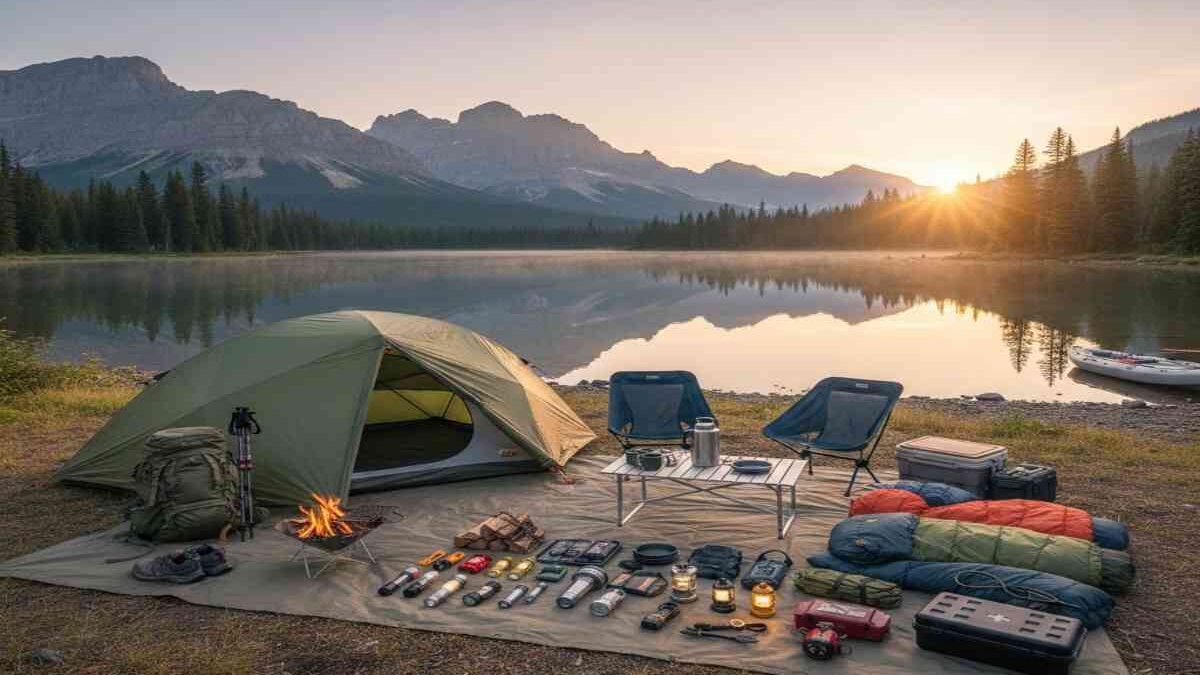
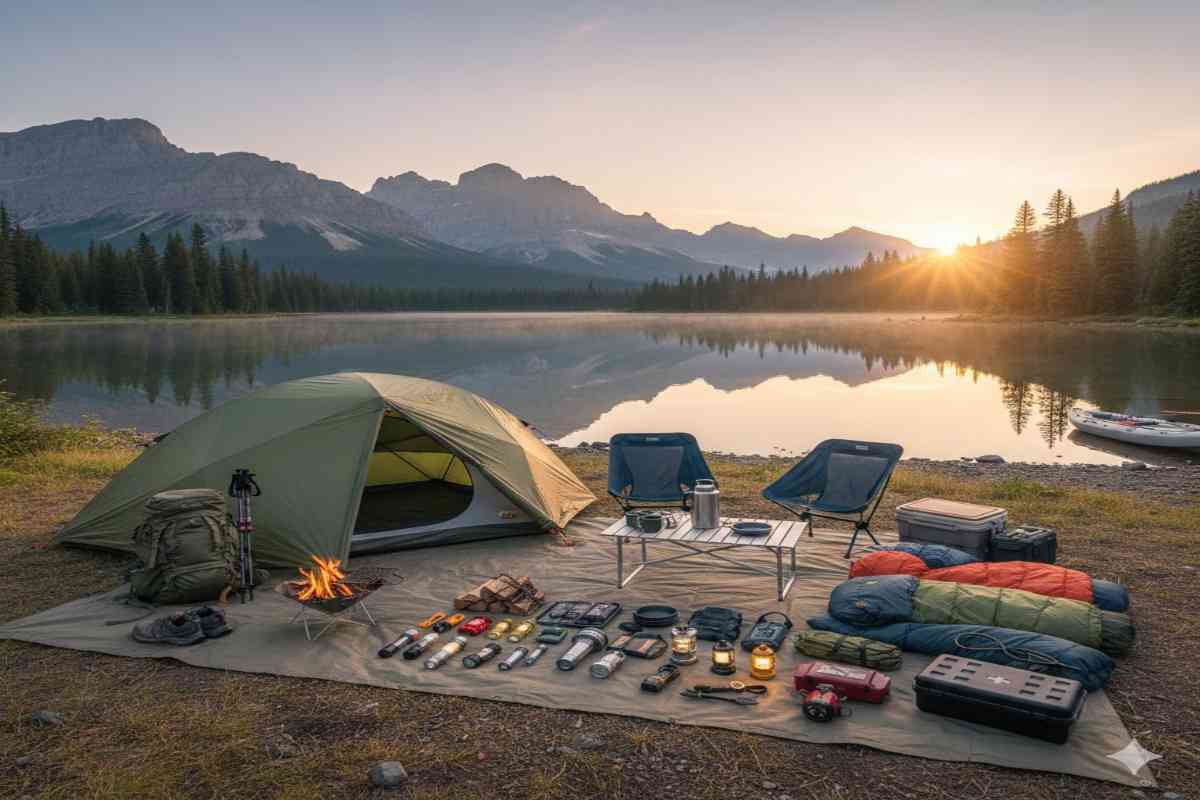
Planning a camping trip is exciting but forgetting a crucial item can quickly turn adventure into frustration. Whether you’re heading out for a weekend getaway, a family campground stay, or a rugged backcountry experience, this best camping gear checklist ensures you pack everything you need for safety, comfort, and convenience.
This guide is structured so you can use it as a practical reference or printable checklist before your next trip.
Table of Contents
Shelter & Sleeping Essentials
A safe, dry, and comfortable sleeping setup is the foundation of any successful camping trip. Whether you’re staying at a developed campground or venturing into the backcountry, your shelter system protects you from weather, insects, wind, and temperature drops. Investing time in packing and setting up properly can dramatically improve your overall camping experience.
Tent & Setup Gear
Your tent is your home outdoors, so choose one suited to your environment and group size.
Essential Items:
- Tent (appropriate for number of campers)
- Tent poles (check they’re complete and undamaged)
- Tent stakes (bring a few extras)
- Footprint or groundsheet (protects tent floor)
- Tarp (for extra rain or sun protection)
- Guylines (for stability in wind)
- Mallet or small hammer (for driving stakes)
Why It Matters:
- A footprint extends the life of your tent and prevents moisture seepage.
- Properly secured guylines prevent tent collapse during strong winds.
- A tarp can double as a rain shelter over a cooking area.
Pro Tip: Always practice setting up your tent at home before your trip especially if it’s new.
Sleeping Gear
After a full day outdoors, quality sleep is essential for energy and safety.
Core Sleeping Essentials:
- Sleeping bag (temperature-rated for expected conditions)
- Sleeping pad or air mattress (insulation + comfort)
- Camping pillow or compact travel pillow
- Extra blanket (for colder nights)
- Sleeping bag liner (adds warmth and hygiene layer)
Comfort & Warmth Tips:
- Even in summer, nighttime temperatures can drop significantly.
- A sleeping pad is just as important as a sleeping bag—it insulates you from the cold ground.
- Store sleeping gear in waterproof bags if rain is expected.
Good rest keeps you energized, alert, and ready for hiking or outdoor activities.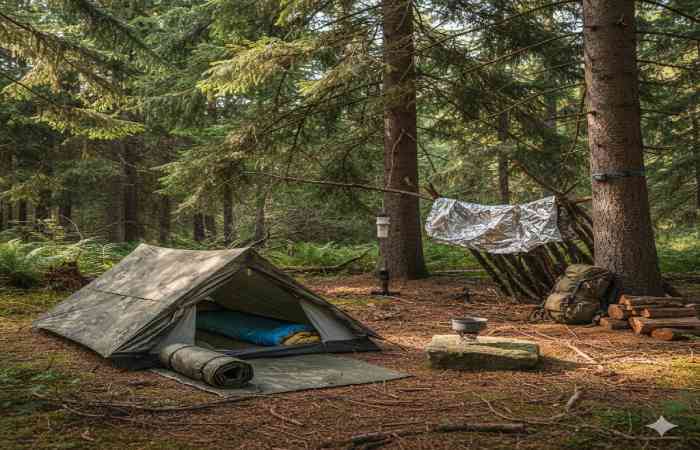
Cooking & Food Supplies
Food planning can make or break your camping experience. Proper cooking equipment and food storage ensure meals are safe, convenient, and enjoyable.
Cooking Equipment
Your cooking setup depends on trip length, group size, and meal complexity.
Basic Cooking Essentials:
- Portable camping stove or grill
- Fuel/propane
- Matches or lighter (waterproof preferred)
- Cookware (pot, pan, kettle)
- Cooking utensils (spatula, tongs, knife)
- Cutting board
- Can opener
- Coffee maker or press (if needed)
- Reusable plates, bowls, and cups
- Biodegradable dish soap & sponge
- Drying towel
Helpful Add-Ons:
- Foil (for easy grilling)
- Spice kit
- Collapsible sink
- Heat-resistant gloves
Safety Reminder: Always cook away from your tent and follow campground fire safety regulations.
Food & Storage
It is crucial, especially in outdoor environments.
Food Storage Essentials:
- Cooler with ice packs (for perishables)
- Airtight containers
- Ziplock bags
- Trash bags (leave no trace)
- Paper towels
- Water bottles
- Large water container (for group use)
- Water purification tablets or filtration system
Smart Planning Tips:
- Pre-prep meals at home to reduce cooking time.
- Store food securely to prevent wildlife encounters.
- Separate raw and cooked foods to avoid contamination.
- Bring extra snacks for unexpected delays or longer hikes.
Planning meals ahead reduces waste and stress at camp.
Clothing & Personal Items
Outdoor conditions can change quickly, so versatile clothing is key. Pack based on climate, terrain, and planned activities.
Clothing Checklist
Layering is the golden rule of camping.
Base Layer (Moisture Control):
- Breathable T-shirts
- Thermal tops (for cold weather)
Mid Layer (Insulation):
- Fleece jacket
- Down or insulated jacket
Outer Layer (Weather Protection):
- Waterproof jacket
- Rain poncho
- Windbreaker
Additional Clothing:
- Extra socks (wool or moisture-wicking)
- Comfortable camp clothes
- Sleepwear
- Swimsuit (if near water)
- Hat (sun or warm beanie)
- Sunglasses
- Hiking boots or trail shoes
- Flip-flops or sandals (for showers)
Packing Tip: Always bring at least one extra set of clothes in case of rain or spills.
Toiletries & Hygiene
Maintaining hygiene while camping keeps you healthy and comfortable.
Personal Care Essentials:
- Toothbrush & toothpaste
- Biodegradable soap
- Towel (quick-dry recommended)
- Wet wipes
- Hand sanitizer
- Sunscreen (SPF 30+)
- Lip balm with SPF
- Insect repellent
- Personal medications
- Razor & shaving kit (if needed)
- Hairbrush/comb
- Toilet paper (even if campground provides some)
Eco-Friendly Reminder:
- Use biodegradable products.
- Dispose of waste properly.
- Follow “Leave No Trace” principles.
Safety & Navigation Gear
Prepared campers are safe campers.
Emergency & First Aid
- First aid kit (bandages, antiseptic, pain relievers)
- Prescription medications
- Emergency whistle
- Multi-tool or knife
- Duct tape (gear repair)
- Extra batteries
- Emergency blanket
Navigation & Lighting
- Map of the area
- Compass or GPS device
- Headlamp or flashlight
- Lantern
- Portable power bank
- Solar charger (optional)
Comfort & Convenience Extras
These items aren’t mandatory—but they make camping more enjoyable.
- Camping chairs
- Foldable table
- Hammock
- Books or playing cards
- Portable speaker
- Binoculars
- Notebook or journal
- Camera
- Daypack for hikes
Family Camping Add-Ons
If camping with kids, consider adding:
- Extra snacks
- Kid-friendly games
- Glow sticks
- Favorite stuffed toy
- Extra blankets
- Baby wipes
- Portable high chair (if needed)
Backpacking Variation Checklist
If you’re going lightweight:
- Ultralight tent
- Compact sleeping bag
- Lightweight cookware
- Dehydrated meals
- Water filtration system
- Trekking poles
- Bear canister (if required)
Remember: Every ounce matters in backpacking—prioritize essentials only.
Printable Camping Gear Checklist
Shelter
- Tent
- Stakes & footprint
- Sleeping bag
- Sleeping pad
- Pillow
Cooking
- Stove & fuel
- Cookware
- Utensils
- Cooler
- Water bottles
Clothing
- Layers
- Rain jacket
- Extra socks
- Hiking shoes
Safety
- First aid kit
- Flashlight
- Map/Compass
- Multi-tool
Extras
- Camp chairs
- Power bank
- Snacks
- Trash bags
Final Thoughts
The best camping gear checklist isn’t about packing everything—it’s about packing smart. Consider:
- Trip length
- Weather forecast
- Campground facilities
- Group size
- Activity plans
When prepared, you can focus less on logistics and more on enjoying campfires, stargazing, and the quiet beauty of nature.