
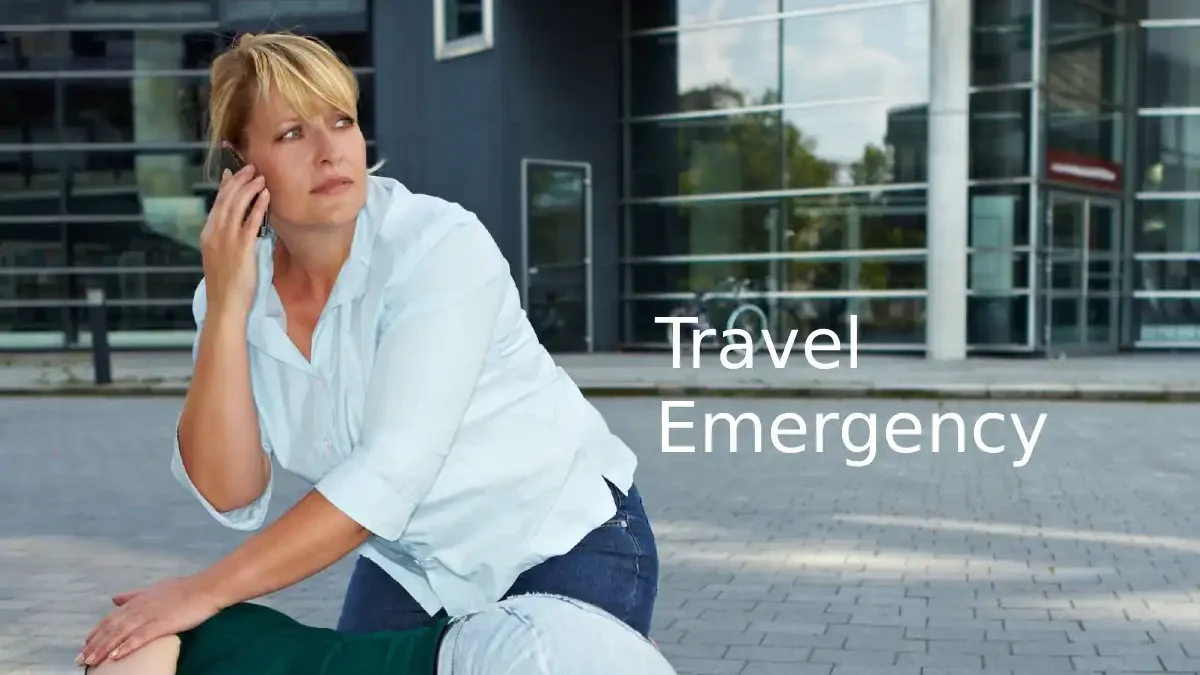
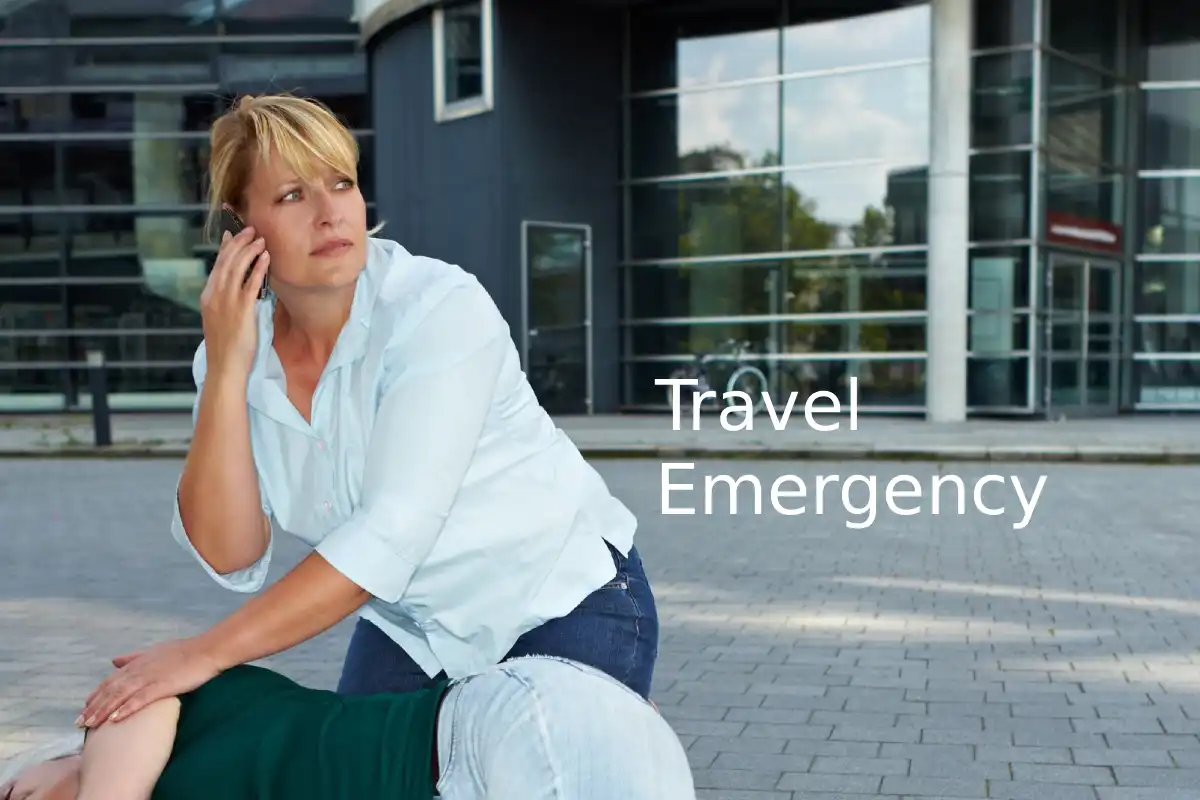
Even the most carefully planned trip can take an unexpected turn. Flight cancellations, lost luggage, medical issues, misplaced travel documents, or sudden changes to an itinerary can quickly create stress. While it’s natural to feel overwhelmed in these situations, remaining calm is one of the most effective ways to resolve problems efficiently.
Travel emergencies are often manageable when approached with a clear mindset and a practical plan. Read on to discover that by focusing on the steps you can control, you can reduce anxiety and improve your chances of getting your trip back on track.
Table of Contents
Pause Before Reacting
The first few moments after discovering a travel problem are often the most emotional. Whether you’ve missed a connection or realized your passport is missing, resist the urge to panic. Take a few deep breaths and assess the situation. Ask yourself what has happened, what needs immediate attention, and who can help. Remaining calm allows you to think more clearly and make better decisions. Many travel issues have solutions, even if they require some adjustments to your plans.
Gather Accurate Information
Before making decisions, collect as much information as possible. Speak with airline representatives, hotel staff, transportation providers, or local authorities to understand your options. If your flight has been delayed, ask about alternative routes. If transportation has been interrupted, find out when services will resume or what other travel options are available. Having reliable information helps prevent unnecessary worry and allows you to create a realistic plan.
Keep Important Documents Accessible
One of the best ways to reduce stress during an emergency is to organize your travel documents before your trip begins. Store your passport, identification, travel insurance details, reservation confirmations, and emergency contact information in a secure but easily accessible location. Keeping digital copies stored securely online or on your phone can also be extremely helpful if physical documents are lost. Preparation makes unexpected situations much easier to handle.
Know Where to Find Help
If your passport is lost or stolen before an upcoming trip, acting quickly is essential. Knowing where to find expedited assistance can save valuable time. Travelers who need to replace passport quickly at urgentpassport.com can review available expedited replacement services to help minimize travel disruptions and get back on schedule. Having a trusted resource identified before an emergency occurs can significantly reduce stress when time is limited.
Stay Flexible
Unexpected events often require changes to your itinerary. While this can be frustrating, flexibility helps you adapt more effectively. Instead of focusing on what has gone wrong, concentrate on finding workable alternatives. You may need to take a different flight, stay an extra night, adjust your sightseeing plans, or use another form of transportation. A flexible attitude often leads to quicker solutions and a more enjoyable overall travel experience.
Keep Emergency Contacts Handy
Before traveling, make a list of important contact information that you can access even if your phone battery dies or internet service is unavailable.
Useful contacts include:
- Family or friends back home
- Your airline
- Hotel accommodations
- Travel insurance provider
- Your country’s embassy or consulate
- Credit card providers
Having these numbers readily available can save valuable time during an emergency.
Focus on What You Can Control
Not every travel problem can be solved immediately. Weather delays, airport disruptions, and transportation strikes may simply require patience. Instead of becoming frustrated over circumstances beyond your control, focus your energy on productive actions such as confirming reservations, arranging accommodations, communicating with travel providers, or updating family members about your situation. Maintaining this perspective helps reduce anxiety while keeping you moving toward a solution.
Conclusion
Travel emergencies are rarely enjoyable, but they don’t have to ruin your entire journey. Staying calm, gathering accurate information, remaining flexible, and acting methodically can help you overcome many common travel challenges.
Preparation also plays a major role. Organizing important documents, knowing where to find assistance, and having backup plans in place can make unexpected situations far easier to manage. By approaching travel with both preparation and patience, you’ll be better equipped to handle whatever comes your way and continue enjoying your adventures with greater peace of mind.