
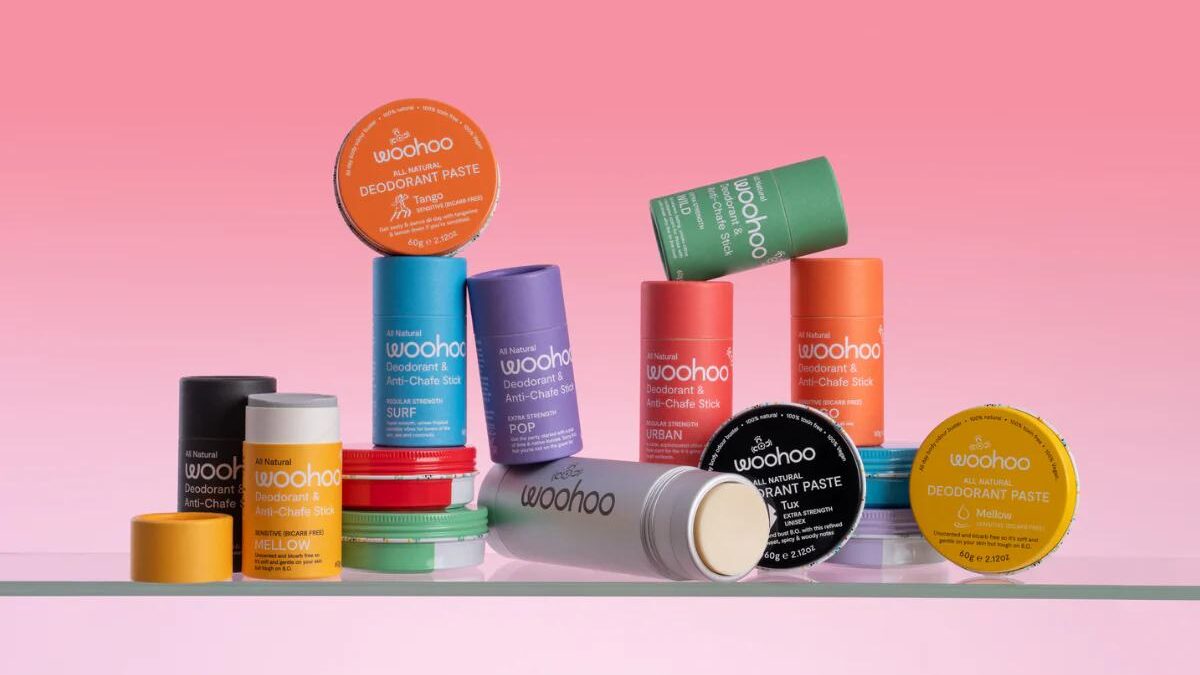
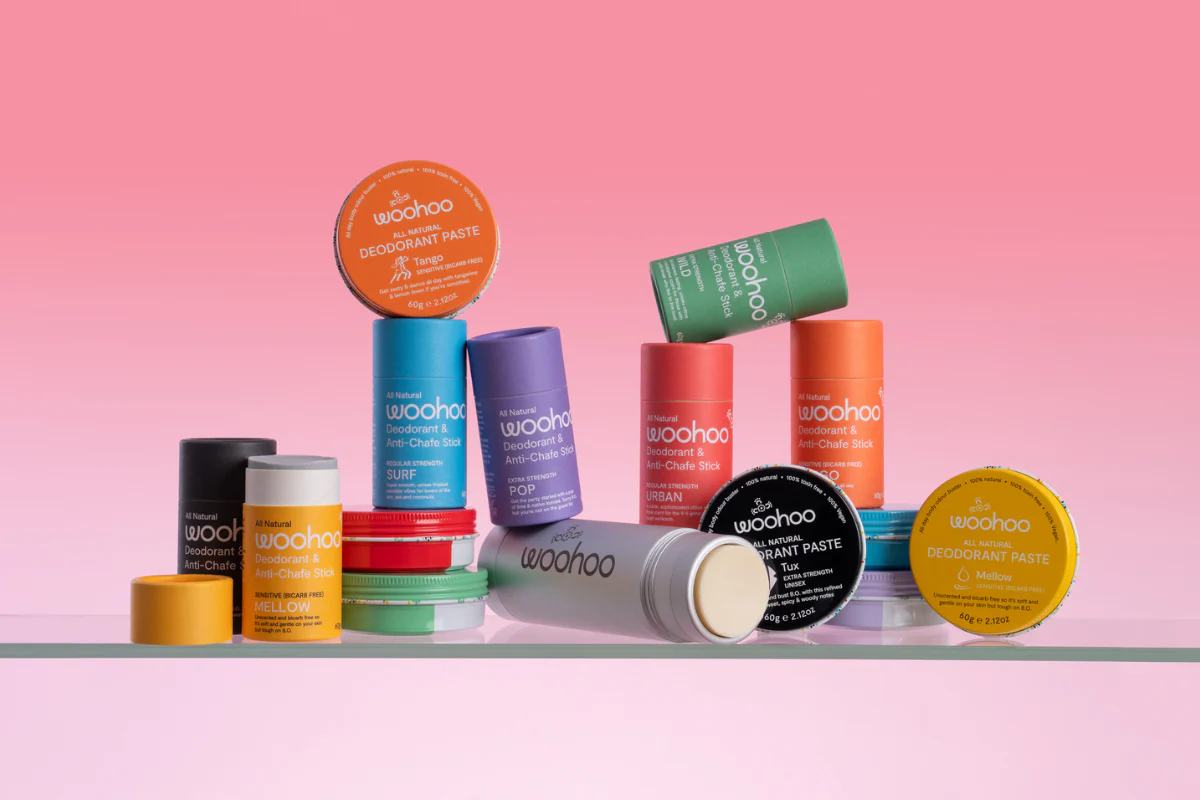
Personal care habits have evolved significantly in recent years. Consumers are now more conscious about what they apply to their skin, especially when it comes to everyday products such as deodorants. One product that has gained massive popularity in the clean beauty movement is natural deodorant.
Unlike traditional deodorants and antiperspirants that rely on aluminum salts and synthetic chemicals, natural deodorants use plant-based ingredients and mineral compounds to combat body odor. They focus on neutralizing odor-causing bacteria while allowing the body to sweat naturally.
This detailed guide explains everything you need to know about natural deodorants, including how they work, the ingredients used, their benefits, price comparisons, and how to choose the right product.
Table of Contents
What Is Natural Deodorant?
Natural deodorant is a personal care product designed to control body odor using ingredients derived from natural sources. Most natural deodorants avoid potentially harsh chemicals commonly found in conventional products.
Typical ingredients excluded from natural deodorants include:
- Aluminum compounds
- Parabens
- Phthalates
- Artificial preservatives
- Synthetic fragrances
Instead of blocking sweat glands like antiperspirants, natural deodorants allow the body to sweat normally while preventing odor.
Sweat itself is mostly odorless. Body odor develops when bacteria on the skin break down sweat and produce unpleasant smells. Natural deodorants target these bacteria and absorb moisture to keep underarms fresh.
How Natural Deodorants Work
Natural deodorants use a combination of antibacterial and moisture-absorbing ingredients to control odor effectively.
Key Mechanisms
| Function | Common Natural Ingredients | How It Works |
| Odor neutralization | Baking soda, magnesium hydroxide | Neutralizes odor-producing bacteria |
| Moisture absorption | Arrowroot powder, tapioca starch | Absorbs sweat naturally |
| Antibacterial protection | Coconut oil, tea tree oil | Reduces bacterial growth |
| Fragrance | Essential oils | Provides natural scent |
| Skin soothing | Shea butter, aloe vera | Prevents irritation |
By combining these functions, natural deodorants offer long-lasting freshness without blocking sweat glands.
Key Ingredients Found in Natural Deodorants
Understanding the ingredients in natural deodorants helps consumers choose the right formula for their skin type.
Baking Soda
Baking soda is one of the most common ingredients used in natural deodorants.
Benefits:
- Neutralizes odor-causing bacteria
- Maintains an alkaline environment that prevents bacterial growth
- Highly effective at odor control
However, some people with sensitive skin may experience irritation from baking soda.
Arrowroot Powder
Arrowroot powder is a natural starch used for absorbing moisture.
Benefits:
- Keeps underarms dry
- Smooth texture that blends easily with other ingredients
- Gentle on sensitive skin
Coconut Oil
Coconut oil has strong antimicrobial properties that help eliminate odor-causing bacteria.
Benefits:
- Natural antibacterial action
- Moisturizes skin
- Reduces inflammation and irritation
Essential Oils
Natural deodorants often use essential oils to provide fragrance.
Common essential oils include:
- Lavender
- Tea tree
- Lemon
- Eucalyptus
- Sandalwood
These oils not only provide scent but also offer antibacterial and soothing benefits.
Magnesium Hydroxide
Magnesium hydroxide is an alternative to baking soda that is gentler on sensitive skin.
Benefits:
- Neutralizes odor effectively
- Maintains skin pH balance
- Less likely to cause irritation
Natural Deodorant vs Traditional Deodorant
Many people are unsure about the differences between natural deodorants and conventional products.
| Feature | Natural Deodorant | Traditional Deodorant |
| Sweat blocking | No | Yes |
| Aluminum compounds | Not included | Commonly used |
| Artificial fragrance | Usually absent | Often present |
| Skin sensitivity | Generally lower | May cause irritation |
| Environmental impact | Lower | Higher |
Natural deodorants focus on odor control, while antiperspirants are designed to stop sweating entirely.
The Adjustment Period When Switching to Natural Deodorant
When switching from a traditional antiperspirant to a natural deodorant, the body may go through a temporary adjustment phase.
Typical adjustment symptoms include:
- Increased sweating
- Temporary body odor
- Mild underarm sensitivity
This phase usually lasts between one and two weeks as the body adapts to the absence of aluminum compounds that previously blocked sweat glands.
During this time, maintaining good hygiene and applying deodorant regularly can help reduce discomfort.
Price Comparison of Popular Natural Deodorants
Natural deodorants are available in different price categories depending on brand, ingredients, and packaging.
Average Price Comparison
| Brand | Product Type | Average Price | Typical Usage Duration |
| Native | Stick | $12 | 3–4 weeks |
| Schmidt’s | Stick | $7–9 | 3–4 weeks |
| Salt of the Earth | Spray | $4–6 | 3–4 weeks |
| Malin + Goetz | Stick | $20 | 4–5 weeks |
| AKT | Balm | $15–18 | Up to 8 weeks |
Budget options offer reliable performance, while premium brands often focus on skincare ingredients and luxury fragrances.
Price Distribution of Natural Deodorants
The natural deodorant market includes a wide range of price points.
Market Price Distribution
| Price Range | Estimated Market Share |
| Under $8 | 30% |
| $8–$15 | 45% |
| $15–$25 | 20% |
| Above $25 | 5% |
Pie Chart Representation
Under $8 ██████████████ 30%
$8–$15 ███████████████████████ 45%
$15–$25 ██████████ 20%
Above $25 ██ 5%
Mid-range products dominate the market because they provide a balance between affordability and quality.
Benefits of Using Natural Deodorant
Natural deodorants offer several advantages compared with traditional antiperspirants.
1. Aluminum-Free Formulas
Many consumers prefer natural deodorants because they avoid aluminum compounds used to block sweat glands.
Potential benefits include:
- More natural sweat regulation
- Lower risk of irritation
- No clogged pores
2. Gentle on Sensitive Skin
Natural deodorants often contain soothing ingredients such as:
- Aloe vera
- Shea butter
- Coconut oil
These ingredients help prevent irritation and redness.
3. Eco-Friendly Packaging
Many natural deodorant brands focus on sustainability by offering:
- Refillable containers
- Plastic-free packaging
- Biodegradable materials
This reduces the environmental impact of personal care products.
4. Skin-Nourishing Ingredients
Some natural deodorants include skincare ingredients that improve skin health, including:
- Vitamin E
- Plant extracts
- Antioxidants
These ingredients help keep underarms hydrated and smooth.
Popular Natural Deodorant Brands
Several brands have become well known in the natural deodorant market.
Top Natural Deodorant Brands
- Native
- Schmidt’s
- Salt & Stone
- Malin + Goetz
- Tom’s of Maine
These brands offer different formulations suited for various skin types and fragrance preferences.
Natural Deodorants in the Indian Market
The natural skincare movement is also growing rapidly in India. Several brands now offer affordable natural deodorant options.
Popular Options in India
| Brand | Approximate Price | Key Ingredients |
| Aroha Natural Deodorant | ₹135–₹399 | Mango butter, citrus oils |
| Raw Beauty Wellness | ₹390 | Coconut oil, arrowroot powder |
| Carmesi Natural Roll-On | ₹249 | Essential oils |
Indian consumers are increasingly choosing toxin-free personal care products, which has accelerated the growth of natural deodorant brands.
Market Growth of Natural Deodorants
The global deodorant industry continues to expand as consumers prioritize clean beauty products.
Several factors contribute to this growth:
- Rising awareness about product ingredients
- Demand for sustainable packaging
- Increased interest in organic skincare
- Growth of eco-conscious consumer behavior
Deodorant Market Segment Distribution
| Segment | Estimated Market Share |
| Traditional antiperspirants | 60% |
| Aluminum-free deodorants | 25% |
| Natural deodorants | 15% |
Natural deodorants currently represent a smaller portion of the market but are experiencing the fastest growth.
How to Choose the Best Natural Deodorant
Selecting the right natural deodorant depends on several personal factors.
1. Skin Sensitivity
People with sensitive skin should choose formulas without baking soda and with soothing ingredients.
2. Sweat Levels
Individuals who sweat heavily should look for products containing:
- Magnesium hydroxide
- Activated charcoal
- Kaolin clay
These ingredients provide stronger odor control.
3. Fragrance Preferences
Natural deodorants are available in many scents, including:
- Citrus blends
- Lavender
- Herbal scents
- Sandalwood
Some brands also offer fragrance-free options.
4. Packaging and Sustainability
Eco-conscious buyers may prefer products that use:
- Refillable packaging
- Glass containers
- Compostable materials
Tips for Using Natural Deodorant Effectively
Natural deodorants work best when applied correctly.
Application Tips
- Apply to clean and dry underarms
- Use a small amount to prevent residue
- Reapply if needed during the day
- Allow time for the body to adjust after switching
Additional Hygiene Tips
- Exfoliate underarms once a week
- Wear breathable fabrics such as cotton
- Maintain good daily hygiene
These habits can improve the effectiveness of natural deodorants.
Pros and Cons of Natural Deodorant
Advantages
- Free from aluminum compounds
- Gentle on sensitive skin
- Eco-friendly packaging options
- Natural fragrances
- Supports clean beauty practices
Disadvantages
- Does not stop sweating completely
- May require reapplication during the day
- Adjustment period when switching
- Premium brands can be expensive
Future Trends in Natural Deodorants
The natural deodorant market continues to evolve with new innovations and product developments.
Emerging Trends
Probiotic deodorants
These products use beneficial bacteria to balance the skin microbiome.
Refillable packaging systems
Many brands are introducing reusable containers to reduce plastic waste.
Skincare-based deodorants
New formulas include ingredients such as hyaluronic acid and antioxidants to improve skin health.
Luxury deodorant products
High-end brands are developing deodorants with sophisticated fragrances and skincare ingredients.
Conclusion
Natural deodorants have become an important part of the modern clean beauty movement. Consumers are increasingly choosing products that prioritize natural ingredients, sustainability, and skin health.
Unlike traditional antiperspirants, natural deodorants allow the body to sweat normally while controlling odor using plant-based ingredients and minerals. Although there may be a short adjustment period when switching, many users find natural deodorants gentler and more environmentally responsible.
As awareness of clean personal care products continues to grow, natural deodorants are expected to become even more popular in the coming years. With a wide range of options available, consumers can easily find a natural deodorant that suits their skin type, lifestyle, and budget.