
Mental health treatment has evolved significantly over the last decade. One of the most groundbreaking developments in psychiatry is ketamine therapy, a treatment originally used as an anesthetic that is now helping people with severe depression, PTSD, and chronic pain.
For individuals who have tried multiple medications without success, ketamine therapy is emerging as a promising alternative. Researchers and clinicians are increasingly studying its rapid antidepressant effects and its ability to help patients with treatment-resistant mental health conditions.
In this detailed guide, we will explore everything about ketamine therapy including how it works, treatment types, effectiveness, benefits, risks, and price differences across treatment options.
Table of Contents
What Is Ketamine Therapy?
Ketamine therapy is a medical treatment that uses low doses of ketamine to treat mental health conditions such as depression, anxiety disorders, PTSD, and chronic pain.
Originally developed in the 1960s as an anesthetic, ketamine affects the brain differently from traditional antidepressants. Instead of targeting serotonin or dopamine directly, ketamine works on the glutamate system, which is responsible for brain plasticity and neural connections.
This mechanism allows ketamine to rapidly improve mood and emotional processing, sometimes within hours or days, compared to traditional antidepressants that may take weeks to work.
Key Characteristics of Ketamine Therapy
- Administered under medical supervision
- Works rapidly compared to traditional antidepressants
- Often used for treatment-resistant depression
- May include psychotherapy for better outcomes
- Requires multiple sessions for sustained benefits
Many mental health experts believe ketamine therapy could become a major advancement in psychiatric treatment, especially for patients who do not respond to conventional medications.
How Ketamine Therapy Works
Ketamine works by targeting NMDA receptors in the brain and increasing glutamate activity. This leads to a cascade of neurological effects that promote new neural connections.
Brain Effects of Ketamine
- Boosts Glutamate Production
This improves communication between brain cells. - Enhances Neuroplasticity
The brain becomes better at forming new pathways. - Resets Dysfunctional Circuits
Mood-related circuits can be “reset,” reducing symptoms of depression. - Rapid Antidepressant Response
Many patients report relief within hours.
Researchers believe this neural reset effect is why ketamine therapy works when other antidepressants fail.
Conditions Treated With Ketamine Therapy
Ketamine therapy is increasingly used to treat several mental and physical health conditions.
Mental Health Disorders
- Treatment-resistant depression
- Bipolar depression
- Anxiety disorders
- PTSD
- Suicidal ideation
Chronic Pain Conditions
- Fibromyalgia
- Neuropathic pain
- Complex regional pain syndrome
- Migraine disorders
Many clinics now combine ketamine with psychotherapy, a method called Ketamine-Assisted Psychotherapy (KAP).
Types of Ketamine Therapy
Ketamine can be administered in multiple ways depending on the treatment protocol and medical setting.
| Treatment Type | Description | Effectiveness | Typical Use |
| IV Infusion | Administered directly into bloodstream | Highest bioavailability | Severe depression |
| Intramuscular Injection | Injection into muscle | Fast onset | Depression and PTSD |
| Nasal Spray | Esketamine-based treatment | FDA-approved for depression | Clinical settings |
| Oral Tablets | Taken orally | Lower absorption | Maintenance therapy |
| Sublingual Tablets | Dissolved under tongue | Home-based treatments | Telehealth programs |
Among these, IV ketamine infusions remain the most researched method and are often considered the gold standard.
Ketamine Therapy Treatment Process
Most ketamine therapy programs follow a structured process.
Step 1: Medical Evaluation
A psychiatrist evaluates the patient’s medical history and mental health status.
Step 2: Treatment Planning
The doctor determines:
- dosage
- number of sessions
- therapy combination
Step 3: Initial Treatment Series
Typically 4–6 sessions over 2–3 weeks are recommended for depression.
Step 4: Maintenance Sessions
Patients may require booster treatments every few weeks.
Step 5: Integration Therapy
Psychotherapy sessions help integrate emotional insights gained during treatment.
Ketamine Therapy Cost Breakdown
Ketamine therapy costs vary widely depending on the treatment type, clinic location, and additional therapy services.
Global Price Estimates
| Treatment Type | Cost Per Session | Total Initial Treatment |
| IV Infusion | $400 – $800 | $2,400 – $4,800 |
| IM Injection | $300 – $600 | $1,800 – $3,600 |
| Nasal Esketamine | $600 – $1,200 | $4,000 – $10,000 |
| Sublingual At-Home Programs | $200 – $400 monthly | $2,400 – $4,800 yearly |
Cost Example (India)
| Treatment Type | Approximate Cost |
| Ketamine Session (Basic Clinic) | ₹2,000 |
| Premium Clinics | ₹10,000 – ₹30,000 |
| Full Treatment Program | ₹20,000 – ₹60,000 |
Costs depend on:
- clinic location
- medical staff expertise
- therapy integration
- monitoring equipment
- treatment duration
Estimated Cost Distribution (Typical Program)
Below is a simplified cost distribution pie chart concept for a typical ketamine therapy program.
Cost Components
- Treatment Sessions – 60%
- Medical Evaluation – 10%
- Monitoring & Equipment – 15%
- Therapy Sessions – 15%
Why Ketamine Therapy Is Expensive
Many patients are surprised by the cost because ketamine itself is inexpensive.
The price is mainly influenced by medical infrastructure.
Major Cost Factors
- Professional medical supervision
- Specialized infusion equipment
- Clinical monitoring
- Facility costs
- Post-treatment observation
In most countries, insurance coverage is limited because ketamine is often used off-label for depression.
Effectiveness of Ketamine Therapy
Research suggests ketamine therapy can provide rapid relief from depression.
Reported Success Rates
| Condition | Improvement Rate |
| Treatment-resistant depression | 50–70% |
| Suicidal thoughts | Rapid reduction in many patients |
| PTSD | Moderate improvement |
| Chronic pain | Significant symptom reduction |
Some studies also suggest ketamine treatment may be cost-effective in the short term, especially when it improves quality of life and reduces other healthcare costs.
Benefits of Ketamine Therapy
- Rapid Relief
Many patients experience symptom relief within hours.
- Works for Treatment-Resistant Depression
Ketamine can help patients who have failed multiple antidepressants.
- Improves Brain Plasticity
The therapy helps rebuild neural pathways.
- Reduces Suicidal Thoughts
Some hospitals use ketamine for emergency psychiatric care.
- Can Be Combined With Therapy
Psychotherapy enhances long-term benefits.
Risks and Side Effects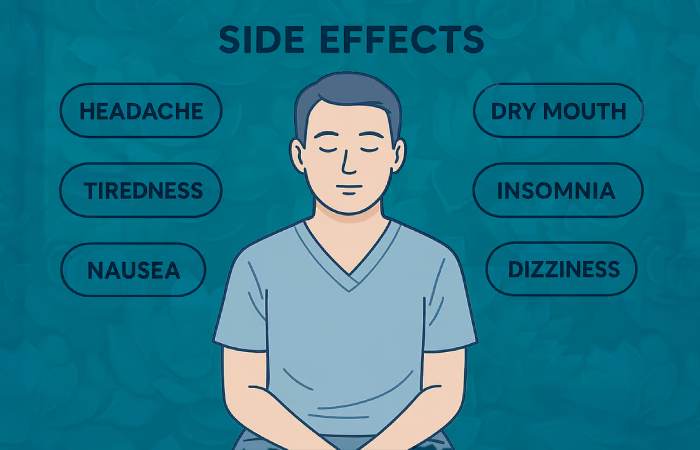
Like any medical treatment, ketamine therapy has potential risks.
Common Side Effects
- nausea
- dizziness
- dissociation
- increased blood pressure
- temporary confusion
Rare Risks
- addiction potential
- bladder problems
- hallucinations
Medical supervision is essential to ensure safe administration.
Who Is a Good Candidate for Ketamine Therapy?
Doctors may recommend ketamine therapy for patients who:
- have treatment-resistant depression
- cannot tolerate antidepressants
- experience severe suicidal ideation
- suffer from chronic pain conditions
However, ketamine therapy may not be suitable for people with:
- uncontrolled hypertension
- psychotic disorders
- substance abuse history
A full psychiatric evaluation is necessary before starting treatment.
Ketamine Therapy vs Traditional Antidepressants
| Feature | Ketamine Therapy | Traditional Antidepressants |
| Speed of effect | Hours or days | Weeks |
| Treatment sessions | Multiple infusions | Daily medication |
| Mechanism | Glutamate system | Serotonin/Dopamine |
| Cost | High upfront | Lower monthly cost |
| Effectiveness for resistant depression | High | Often limited |
Future of Ketamine Therapy
Ketamine therapy is still evolving, but it is already influencing the future of psychiatric care.
Researchers are currently exploring:
- improved ketamine derivatives
- microdosing protocols
- home-based treatments
- integration with psychotherapy
- longer-lasting formulations
With ongoing clinical trials and regulatory developments, ketamine therapy may soon become more accessible and widely accepted.
Final Thoughts
Ketamine therapy represents one of the most promising breakthroughs in modern mental health treatment. For patients struggling with severe depression, PTSD, or chronic pain, it offers a new option when traditional medications fail.
While the therapy can be expensive and requires medical supervision, its rapid effectiveness and potential long-term benefits make it an attractive treatment option for many patients.
As research continues, ketamine therapy could reshape the way mental health conditions are treated, offering hope to millions worldwide.
In summary
- Ketamine therapy is an innovative treatment for depression and mental health disorders.
- It works differently from traditional antidepressants by targeting the glutamate system.
- Treatment costs vary widely depending on the administration method and clinic location.
- Although not suitable for everyone, it has shown promising results for treatment-resistant depression.