
Sunscreen is one of the most essential skincare products for maintaining healthy skin. However, people with dry skin often struggle to find a sunscreen that protects against harmful UV rays without making their skin feel tight, flaky, or irritated. The wrong sunscreen formula can worsen dryness and even damage the skin barrier over time.
The best sunscreen for dry skin should not only provide strong protection from ultraviolet radiation but also contain ingredients that hydrate, nourish, and strengthen the skin barrier. In this detailed guide, we explore how to choose the right sunscreen, which ingredients work best for dry skin, dermatologist recommendations, and the top sunscreen options available today.
This comprehensive guide will help readers understand what to look for in sunscreen and how to protect dry skin while maintaining moisture and comfort throughout the day.
Table of Contents
Why Sunscreen Is Important for Dry Skin
Many people believe sunscreen is mainly used to prevent sunburn, but its benefits go far beyond that. Sun exposure contributes to premature aging, dehydration, pigmentation, and damage to the skin’s natural barrier.
Dry skin is particularly vulnerable to UV damage because it already lacks sufficient moisture and protective lipids.
Effects of UV Exposure on Dry Skin
| Skin Effect | Description |
| Moisture Loss | UV rays weaken the skin barrier, causing increased water loss |
| Premature Aging | Sun exposure accelerates wrinkles and fine lines |
| Irritation | Dry skin becomes more sensitive and prone to redness |
| Uneven Skin Tone | UV damage can lead to hyperpigmentation |
Using sunscreen daily helps maintain hydration levels while protecting the skin from environmental damage.
What Makes a Sunscreen Suitable for Dry Skin
Not all sunscreens are created equally. Many formulas are designed for oily or acne-prone skin, which often contain oil-absorbing ingredients that can worsen dryness.
The best sunscreen for dry skin typically contains moisturizing components and a cream-based texture.
Key Features to Look For
- Hydrating ingredients
- Cream or lotion consistency
- Broad-spectrum UV protection
- SPF 30 or higher
- Fragrance-free formula
- Barrier-repair ingredients
These features ensure the sunscreen protects while maintaining hydration.
Hydrating Ingredients to Look For in Sunscreen
Certain ingredients are particularly beneficial for dry skin because they attract moisture and help repair the skin barrier.
| Ingredient | Benefit |
| Hyaluronic Acid | Retains water and hydrates skin deeply |
| Glycerin | Attracts moisture and prevents dehydration |
| Ceramides | Restore the skin barrier |
| Vitamin E | Provides antioxidant protection |
| Aloe Vera | Soothes irritation and dryness |
| Niacinamide | Improves skin barrier strength |
When sunscreens contain these ingredients, they function similarly to moisturizers while providing sun protection.
Types of Sunscreen for Dry Skin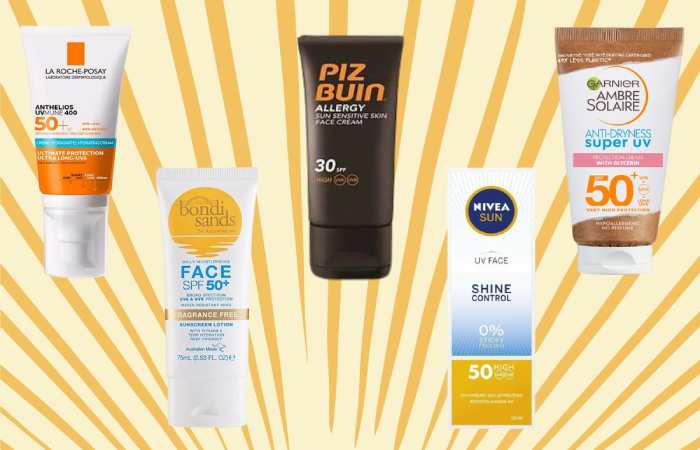
Understanding sunscreen types can help users choose the most suitable option.
Mineral Sunscreen
Mineral sunscreens use physical blockers that sit on top of the skin to reflect UV rays.
Common active ingredients include:
- Zinc oxide
- Titanium dioxide
Advantages
- Gentle on sensitive skin
- Lower irritation risk
- Suitable for conditions like eczema or rosacea
Disadvantages
- May leave a white cast
- Thicker texture
Chemical Sunscreen
Chemical sunscreens absorb UV radiation and convert it into heat.
Common ingredients include:
- Avobenzone
- Octinoxate
- Octisalate
Advantages
- Lightweight texture
- No white residue
- Easy to apply under makeup
Disadvantages
- May irritate very sensitive skin
Hybrid Sunscreen
Hybrid sunscreens combine both mineral and chemical filters to provide balanced protection.
Advantages
- Comfortable texture
- Broad spectrum coverage
- Better cosmetic finish
Hybrid formulas are becoming increasingly popular because they combine effectiveness with comfort.
Best Sunscreens for Dry Skin in 2026
Below are some of the most recommended sunscreens that provide hydration along with strong sun protection.
| Sunscreen | SPF | Key Ingredients | Skin Benefit | Price Range |
| CeraVe Hydrating Mineral Sunscreen | SPF 30 | Ceramides, Hyaluronic Acid | Strengthens skin barrier | ₹1200 – ₹1500 |
| Neutrogena Hydro Boost Water Gel Sunscreen | SPF 50 | Hyaluronic Acid | Lightweight hydration | ₹900 – ₹1200 |
| La Roche-Posay Anthelios Melt-in Milk Sunscreen | SPF 60 | Antioxidants | Ideal for sensitive dry skin | ₹1500 – ₹2000 |
| The Derma Co Hyaluronic Sunscreen | SPF 50 | Vitamin E, Hyaluronic Acid | Moisturizing protection | ₹800 – ₹900 |
| Aqualogica Glow+ Dewy Sunscreen | SPF 50 | Vitamin C | Brightening hydration | ₹400 – ₹500 |
These sunscreens combine UV protection with ingredients that help maintain moisture levels throughout the day.
Price Comparison of Popular Sunscreens
Sunscreen prices vary depending on brand reputation, ingredients, and formulation technology.
| Category | Price Range | Typical Brands |
| Budget Sunscreens | ₹300 – ₹500 | Aqualogica, Lakme |
| Mid-Range Sunscreens | ₹600 – ₹1000 | The Derma Co, Dot & Key |
| Premium Dermatology Sunscreens | ₹1200 – ₹2000 | CeraVe, La Roche-Posay |
Budget sunscreens are widely accessible and suitable for daily use, while premium dermatology brands often contain advanced skincare ingredients.
Sunscreen Market Distribution by Price Category
Approximate distribution of sunscreen products available in the skincare market:
| Category | Market Share |
| Budget Sunscreens | 45% |
| Mid-Range Sunscreens | 35% |
| Premium Dermatology Brands | 20% |
This distribution shows that affordable sunscreens dominate the market, but premium brands remain popular among dermatologists and skincare enthusiasts.
Sunscreen Ingredients to Avoid for Dry Skin
Certain ingredients may aggravate dryness and irritation.
| Ingredient | Reason to Avoid |
| Alcohol Denat | Can dry out the skin |
| Artificial Fragrance | May cause irritation |
| Strong preservatives | May trigger sensitivity |
Choosing gentle, dermatologically tested formulas helps prevent irritation and dryness.
How to Apply Sunscreen on Dry Skin
Proper application is essential to achieve full sun protection.
Step-by-Step Routine
- Wash your face with a gentle cleanser.
- Apply a hydrating moisturizer.
- Wait for the moisturizer to absorb.
- Apply sunscreen generously.
- Reapply every two hours when outdoors.
Areas People Often Miss
- Neck
- Ears
- Hands
- Around the eyes
Consistent application ensures complete protection from UV damage.
Best Budget Sunscreens for Dry Skin
Affordable sunscreens can also provide effective protection.
| Product | SPF | Approximate Price |
| Lakme Sun Expert Ultra Matte | SPF 50 | ₹300 |
| Mamaearth Hydragel Sunscreen | SPF 50 | ₹350 |
| Dot & Key Vitamin C Sunscreen | SPF 50 | ₹399 |
These products are widely available and suitable for daily sun protection.
Dermatologist Tips for Dry Skin Care
Experts recommend the following practices to maintain healthy skin while using sunscreen.
- Always choose sunscreen with SPF 30 or higher.
- Look for moisturizing ingredients in the formulation.
- Avoid matte or oil-control sunscreens.
- Apply sunscreen daily, even on cloudy days.
- Use sunscreen indoors if exposed to sunlight through windows.
Regular use of sunscreen helps maintain the skin barrier and prevents premature aging.
Sunscreen Trends for Dry Skin in 2026
The skincare industry continues to innovate with new sunscreen formulations designed specifically for dry skin.
Emerging Trends
- Sunscreens infused with skincare ingredients
- Blue light protection formulas
- Hydrating gel-cream textures
- Mineral sunscreens with reduced white cast
- Sunscreens that double as moisturizers
These innovations aim to make sun protection more comfortable and effective for everyday use.
Common Sunscreen Mistakes People With Dry Skin Make
Many people unknowingly reduce the effectiveness of sunscreen due to incorrect usage.
Skipping Moisturizer
Even hydrating sunscreens work better when applied over a moisturizer.
Choosing Matte Formulas
Matte sunscreens often absorb oil and may worsen dryness.
Not Reapplying Sunscreen
Sunscreen effectiveness decreases after several hours, especially during outdoor activities.
Frequently Asked Questions
What SPF is best for dry skin?
Dermatologists recommend SPF 30 as the minimum level of protection, while SPF 50 offers stronger protection in areas with intense sunlight.
Can sunscreen replace moisturizer?
No. Sunscreen protects against UV rays but does not provide the same hydration benefits as a dedicated moisturizer.
Is mineral sunscreen better for dry skin?
Mineral sunscreens are often gentler and suitable for sensitive skin, but many hydrating chemical sunscreens also work well for dry skin.
Conclusion
Choosing the best sunscreen for dry skin requires careful attention to ingredients, texture, and hydration benefits. A good sunscreen should protect the skin from UV damage while maintaining moisture and supporting the skin barrier.
The ideal sunscreen for dry skin should offer:
- Broad-spectrum protection
- SPF 30 or higher
- Hydrating ingredients
- Cream or lotion-based texture
- Fragrance-free formulation
With the right sunscreen, individuals with dry skin can maintain healthy, hydrated, and protected skin throughout the year.