


Travel does not have to drain your savings.
Whether you are a backpacker, digital nomad, student traveler, or a family looking to explore the world affordably, there are incredible destinations where your money stretches much further without sacrificing experience.
This comprehensive guide explores the best budget travel destinations for 2025–2026, including detailed cost comparisons, regional insights, seasonal savings strategies, and practical planning tables. The goal is simple: help you travel more while spending less.
Table of Contents
What Defines a Budget Travel Destination?
A destination qualifies as “budget-friendly” when:
- Daily expenses (food, accommodation, transport) are significantly lower than global averages.
- Exchange rates favor international travelers.
- Affordable accommodation options (hostels, guesthouses, budget hotels) are widely available.
- Street food and local dining are inexpensive.
- Major attractions are free or low-cost.
Budget travel is not about cutting experiences. It is about maximizing value.
How These Destinations Were Selected
Choosing the best budget travel destinations is not about picking the cheapest countries on a map. It requires balancing affordability with overall travel value. For this guide, destinations were evaluated using multiple financial and experiential factors to ensure they deliver both cost savings and memorable experiences.
Below is a deeper breakdown of the selection methodology.
1. Average Daily Travel Cost Estimates
The foundation of any budget travel list is the average daily cost per traveler.
This includes:
- Accommodation (hostel or budget hotel)
- Three daily meals
- Local transportation
- Entry fees to major attractions
- Basic entertainment or activities
We focused on destinations where travelers can comfortably spend:
- Under $30 per day (ultra-budget)
- $30–$50 per day (moderate budget)
- $50–$70 per day (value travel destinations)
Daily cost comparisons were analyzed to determine which countries offer the best experience-to-cost ratio.
2. Accommodation Pricing Trends
Accommodation is typically the largest expense for travelers. Destinations were assessed based on:
- Availability of hostel dorms under $15
- Budget guesthouses under $30
- Affordable mid-range hotels under $50
- Strong competition in the budget lodging market
We also reviewed:
- Seasonal price fluctuations
- Growth of budget-friendly Airbnb options
- Backpacker infrastructure strength
Countries with stable or slowly rising accommodation costs ranked higher than those experiencing rapid tourism-driven inflation.
3. Street Food and Restaurant Pricing
Food is both a necessity and a cultural experience. A destination becomes significantly more budget-friendly when:
- Street food costs between $1–$5 per meal
- Casual restaurant meals remain under $10
- Local markets provide affordable fresh options
- Tourist restaurants do not inflate prices excessively
Places with strong street food cultures tend to rank high because travelers can eat well without overspending.
4. Transportation Affordability
Transportation can quickly inflate travel budgets if local systems are expensive.
Destinations were evaluated based on:
- Local bus fares under $2
- Affordable train systems
- Scooter or bike rentals under $10/day
- Low-cost domestic flights or long-distance buses
- Walkability of cities
Countries with efficient public transport systems and inexpensive intercity travel scored higher in affordability rankings.
5. Seasonal Price Differences
One of the most overlooked aspects of budget travel is seasonal variation.
We analyzed:
- Peak season price increases
- Shoulder season discounts
- Off-season accommodation drops
- Flight pricing volatility
Destinations that offer significant savings during shoulder seasons (often 30–60% lower prices) were prioritized. This ensures readers can strategically plan trips to maximize savings.
6. Travel Popularity Among Backpackers and Solo Travelers
Backpacker popularity often indicates:
- Strong budget infrastructure
- Safe hostels and social environments
- Affordable group tours
- Accessible visa policies
Destinations frequently recommended by solo travelers and backpackers were examined to verify real-world affordability rather than theoretical cost estimates.
High traveler volume in the budget segment often results in competitive pricing and better value options.
7. Cost-of-Living Data and Tourism Reports
Macro-level data was also considered, including:
- Local cost-of-living indexes
- Currency strength compared to USD, EUR, and INR
- Tourism board reports
- Exchange rate advantages
- Inflation trends
Countries where foreign currency stretches further naturally provide better value.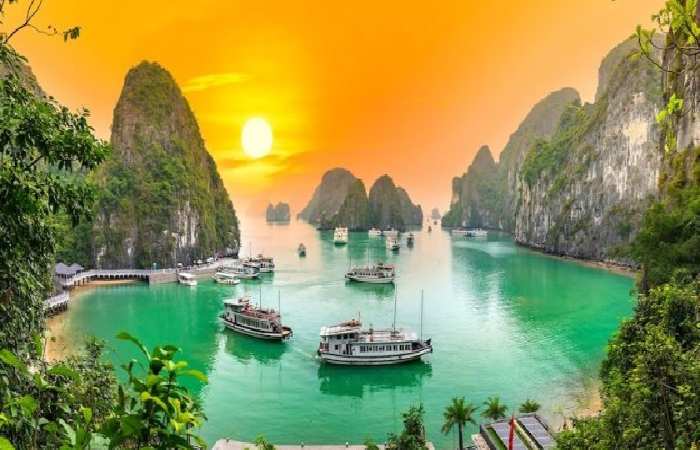
Balancing Cost with Experience
Affordability alone is not enough. A destination must also offer:
- Cultural depth
- Natural beauty
- Historical significance
- Unique local experiences
- Safe and accessible infrastructure
For example, some extremely low-cost countries may lack tourism facilities or accessibility, reducing overall value. Conversely, some moderately priced destinations may offer significantly higher experiential returns.
The final list includes destinations that strike the best balance between:
- Low daily expenses
- High experiential richness
- Infrastructure suitable for independent travelers
Why This Approach Matters
Many “cheap travel” lists simply rank countries by low cost of living. That method ignores traveler experience and practical considerations.
This selection process ensures that every destination listed:
- Is realistically affordable for independent travelers
- Offers strong budget accommodation options
- Has accessible transportation
- Provides cultural or natural attractions worth visiting
- Remains competitively priced even during peak tourism cycles
These destinations consistently rank among the most affordable globally while still offering meaningful cultural immersion, scenic landscapes, and memorable travel experiences.
Budget travel is not about choosing the cheapest location it is about choosing the smartest one.
Global Overview: Best Budget Travel Destinations
| Destination | Average Daily Budget (USD) | Why It’s Popular |
| Vietnam | $20–$35 | Street food, beaches, history |
| Thailand | $25–$40 | Temples, islands, nightlife |
| Laos | $15–$25 | Scenic landscapes, slow travel |
| Cambodia | $20–$30 | Ancient ruins, cheap stays |
| Indonesia | $25–$45 | Tropical islands, culture |
| India | $15–$30 | Cultural diversity, low transport costs |
| Nepal | $20–$35 | Himalayan trekking, temples |
| Bolivia | $25–$35 | Salt flats, colonial cities |
| Portugal | $30–$50 | Coastal charm, affordable Europe |
| South Africa | $50–$70 | Safari value, wine regions |
Actual expenses vary depending on travel style, season, and accommodation type.
Asia: The Ultimate Budget Travel Region
Asia continues to dominate budget travel rankings due to affordable living costs, efficient transportation, and strong backpacker infrastructure.
Vietnam
Vietnam offers one of the best price-to-experience ratios globally.
Typical Costs:
- Hostel: $8–$15
- Street food meal: $2–$4
- Local bus: Under $2
- Budget hotel: $20–$35
Top Highlights:
- Ha Long Bay
- Hanoi’s Old Quarter
- Ho Chi Minh City street markets
Thailand
Thailand blends affordability with comfort.
Typical Costs:
- Hostel: $10–$20
- Local meal: $2–$5
- Island ferry: $10–$25
Top Experiences:
- Chiang Mai temples
- Bangkok markets
- Southern islands
Laos
Laos is ideal for slow travelers seeking authenticity.
Typical Costs:
- Guesthouse: $10–$18
- Street food: $1.50–$4
- Scooter rental: $6/day
Why It’s Affordable:
- Lower tourist traffic
- Inexpensive local transportation
- Budget river cruises
Cambodia
Cambodia is famous for its historic temple complexes.
Major attraction:
- Angkor Wat
Daily Budget:
- Accommodation: $8–$20
- Food: $3–$6 per meal
- Temple pass: Affordable multi-day options
South Asia: Incredible Value for Cultural Immersion
India
India remains one of the cheapest large travel destinations.
Budget Breakdown:
- Train ticket (long distance): $5–$15
- Budget hotel: $15–$30
- Local meal: $2–$6
From Rajasthan deserts to Kerala backwaters, value is unmatched.
Nepal
Nepal is a paradise for trekking lovers.
Costs:
- Guesthouse: $10–$25
- Trekking permits: Budget friendly
- Meals: $3–$7
Top Budget Destination:
- Pokhara for mountain views and lakeside stays.
South America: Affordable Adventure
Bolivia
Bolivia is South America’s budget champion.
Average Costs:
- Hostel: $10–$18
- Restaurant meal: $4–$8
- Multi-day tours: Very affordable compared to neighboring countries
Top Attraction:
- Salar de Uyuni salt flats
Budget-Friendly Europe
Europe can be expensive, but not everywhere.
Portugal
Portugal offers Western European charm at lower prices.
Cost Overview:
- Hostel: $20–$35
- Meal: $8–$15
- Public transport: Budget-friendly city passes
Affordable Cities:
- Porto
- Lisbon (off-season travel recommended)
Albania and Bulgaria
| Country | Daily Budget (EUR) | Why It’s Cheap |
| Albania | €35–€60 | Low tourism costs |
| Bulgaria | €40–€65 | Cheap transport & food |
Both offer stunning landscapes without Western Europe pricing.
Africa: Emerging Budget Favorite
South Africa
South Africa offers strong value, especially for safari experiences.
Average Daily Cost:
- $50–$70 (mid-range budget style)
- Affordable wine regions
- Competitive safari pricing
Detailed Cost Comparison
Accommodation Price Comparison
| Destination | Hostel | Budget Hotel |
| Vietnam | $8–$15 | $20–$35 |
| Thailand | $10–$20 | $25–$45 |
| India | $6–$15 | $15–$30 |
| Portugal | $20–$35 | $40–$70 |
| Bolivia | $10–$18 | $20–$40 |
Food Price Comparison
| Destination | Street Food | Casual Restaurant |
| Vietnam | $2–$4 | $5–$10 |
| Thailand | $2–$5 | $6–$12 |
| India | $2–$6 | $5–$12 |
| Nepal | $3–$7 | $6–$12 |
| Portugal | $5–$10 | $10–$20 |
Seasonal Price Differences
Traveling during shoulder seasons reduces costs dramatically.
| Region | Peak Season Increase | Best Budget Months |
| Southeast Asia | +25–40% | Feb–Apr, Sep–Nov |
| Europe | +30–60% | Apr–Jun, Sep–Oct |
| South America | +20–35% | Mar–May, Sep–Nov |
Flights and hotels can drop by 40% when avoiding peak months.
Budget Allocation Breakdown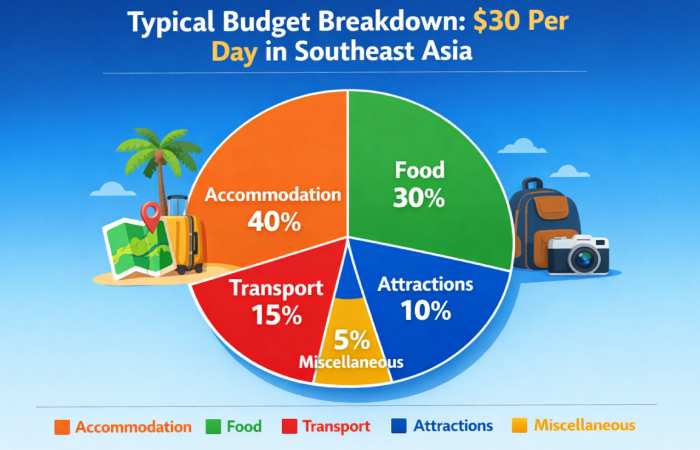
Smart Budget Travel Strategies
- Travel during shoulder seasons.
- Book flights 6–8 weeks in advance.
- Use local buses and trains.
- Stay in hostels or guesthouses.
- Eat where locals eat.
- Avoid airport currency exchange counters.
- Use city tourism passes where available.
Sample 7-Day Budget Planner
| Expense Category | Estimated Cost |
| Flights | $300–$800 |
| Accommodation | $70–$200 |
| Food | $80–$150 |
| Transport | $20–$60 |
| Attractions | $30–$100 |
| Miscellaneous | $50–$100 |
Ultra-Budget vs Moderate Budget Travel
Ultra Budget (< $30/day)
- Vietnam
- Laos
- India
- Cambodia
Moderate Budget ($30–$50/day)
- Thailand
- Indonesia
- Nepal
- Portugal
Value Luxury ($50–$80/day)
- South Africa
- Eastern Europe (off-season)
Final Thoughts
The best budget travel destinations are not simply the cheapest places in the world. They are destinations where your money translates into unforgettable experiences.
From Southeast Asia’s vibrant street food culture to South America’s dramatic landscapes and Europe’s hidden affordable gems, smart planning makes global travel accessible to almost anyone.
Travel is no longer reserved for the wealthy. With research, flexibility, and strategic timing, the world becomes far more affordable than most people imagine.