
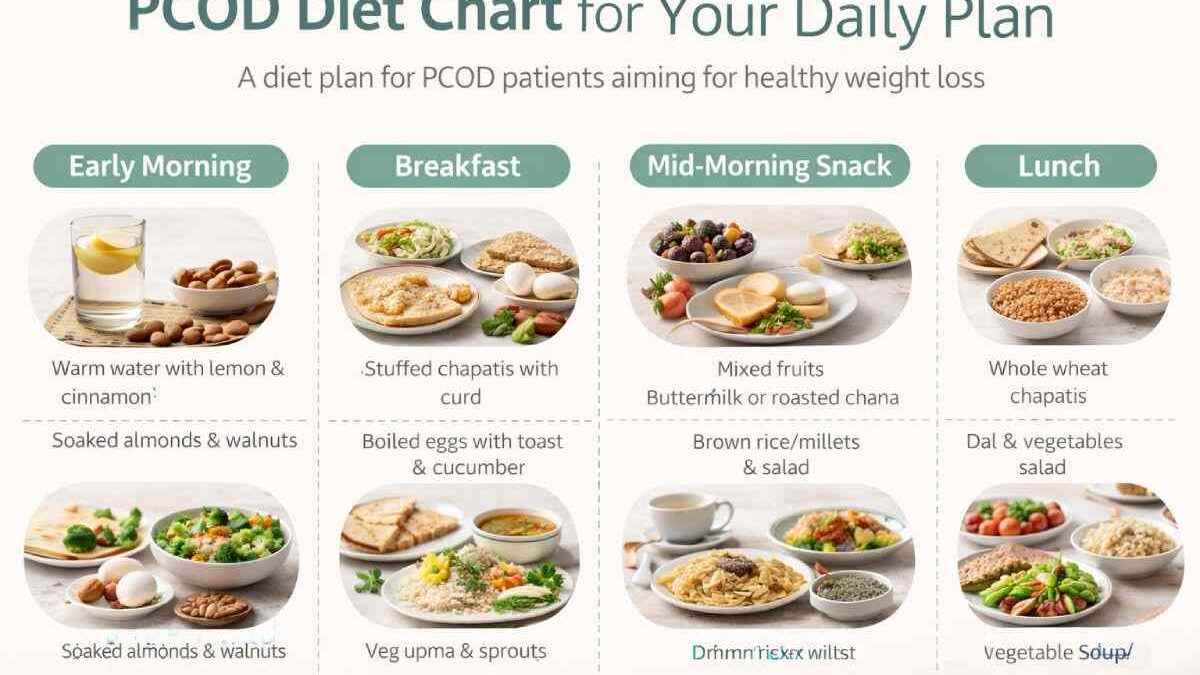
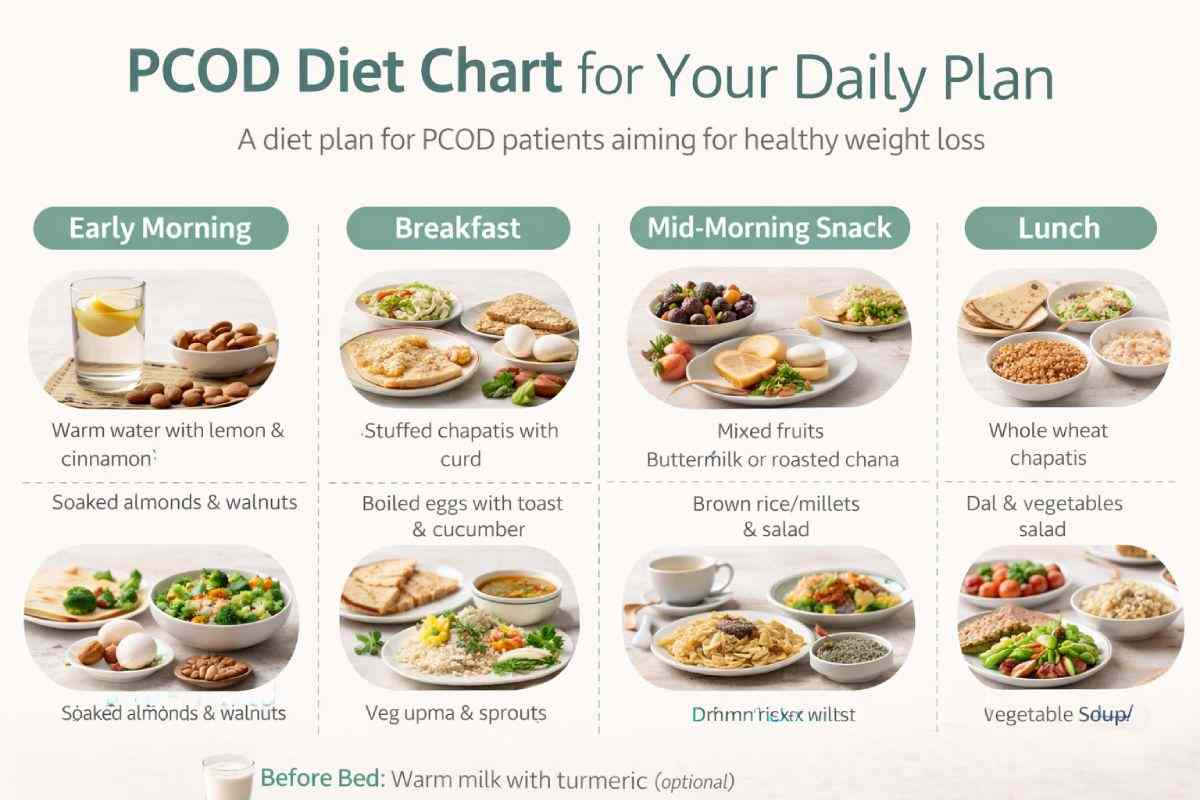
Polycystic Ovarian Disease (PCOD), also known as Polycystic Ovary Syndrome (PCOS), is one of the most common hormonal disorders affecting women of reproductive age. It often leads to symptoms like irregular periods, acne, hormonal imbalance, and weight gain. One of the most effective ways to manage this condition is through a well-planned PCOD diet chart for weight loss.
A balanced diet not only helps reduce body weight but also improves insulin sensitivity, balances hormones, and reduces inflammation. In fact, research shows that eating nutrient-dense foods like high-fiber vegetables, lean proteins, healthy fats, and low-glycemic fruits can significantly help manage PCOD symptoms.
This guide will cover:
- What PCOD is and why diet matters
- Best foods to eat
- Foods to avoid
- A 7-day PCOD diet chart
- Vegetarian and non-vegetarian meal plans
- Cost comparison tables
- Nutritional breakdown charts
- Expert tips for faster weight loss
Table of Contents
What is PCOD and Why Diet Matters?
PCOD is a hormonal disorder where the ovaries produce excess androgens (male hormones), causing irregular ovulation and metabolic issues.
Common Symptoms of PCOD
- Irregular menstrual cycles
- Weight gain
- Acne and oily skin
- Hair thinning or hair loss
- Excess facial hair
- Insulin resistance
Diet plays a crucial role because PCOD is strongly linked to insulin resistance, which can lead to weight gain and hormonal imbalance. A healthy diet helps stabilize blood sugar levels and reduce symptoms.
How Diet Helps in PCOD Weight Loss
A proper PCOD diet plan works by:
| Benefit | How Diet Helps |
| Controls insulin | Low-GI foods prevent blood sugar spikes |
| Reduces inflammation | Anti-inflammatory foods improve hormonal balance |
| Improves metabolism | Protein-rich foods support fat loss |
| Balances hormones | Healthy fats and fiber regulate hormones |
According to nutrition experts, women with PCOD should prioritize whole foods, fiber-rich vegetables, lean proteins, and healthy fats.
Best Foods to Include in a PCOD Diet Chart
1. High-Fiber Foods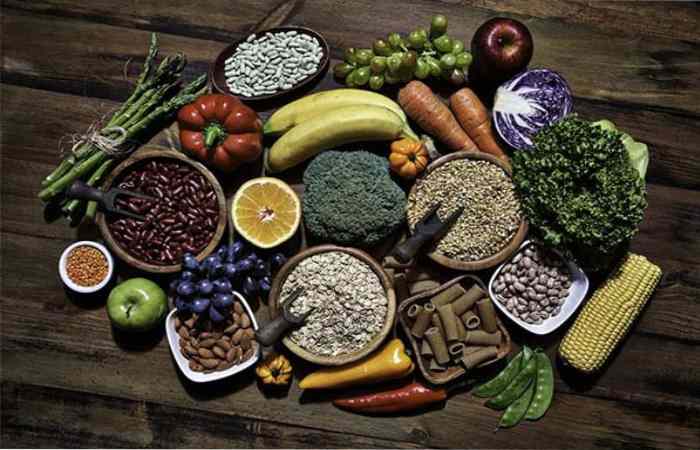
Fiber slows digestion and prevents sudden sugar spikes.
Examples:
- Oats
- Brown rice
- Quinoa
- Whole wheat
- Lentils
- Chickpeas
- Beans
These foods also improve gut health and help maintain a healthy weight.
2. Low Glycemic Fruits
Low-GI fruits keep blood sugar stable.
Recommended fruits:
- Apples
- Berries
- Guava
- Oranges
- Pears
- Strawberries
Fruits like berries and apples are particularly beneficial because they are rich in antioxidants and fiber.
3. Lean Proteins
Protein helps maintain muscle mass and increases satiety.
Examples:
- Eggs
- Paneer
- Tofu
- Chicken breast
- Fish
- Lentils
Protein also reduces hunger cravings and supports metabolism.
4. Healthy Fats
Healthy fats are essential for hormone production.
Sources include:
- Avocados
- Almonds
- Walnuts
- Chia seeds
- Flaxseeds
- Olive oil
Omega-3 fatty acids also help reduce inflammation in PCOD patients.
5. Anti-Inflammatory Foods
PCOD is linked to chronic inflammation.
Foods that reduce inflammation:
- Turmeric
- Green tea
- Spinach
- Broccoli
- Tomatoes
- Ginger
These foods improve metabolic health and hormonal balance.
Foods to Avoid in PCOD Diet
Certain foods worsen insulin resistance and inflammation.
| Food Category | Examples |
| Refined carbs | White bread, pasta, pastries |
| Sugary drinks | Soda, energy drinks |
| Processed foods | Chips, packaged snacks |
| Fried foods | French fries, fried chicken |
| Processed meats | Sausages, bacon |
These foods increase blood sugar levels and worsen PCOD symptoms.
7-Day PCOD Diet Chart for Weight Loss
Below is a simple Indian diet chart suitable for PCOD weight loss.
| Day | Breakfast | Mid-Snack | Lunch | Evening Snack | Dinner |
| Monday | Oats with fruits | Green tea + nuts | Brown rice + dal + salad | Apple | 2 chapati + vegetable curry |
| Tuesday | Vegetable omelette | Guava | Quinoa salad | Buttermilk | Paneer stir fry |
| Wednesday | Smoothie with chia seeds | Almonds | Millet roti + dal | Fruit bowl | Grilled chicken |
| Thursday | Poha with peanuts | Coconut water | Brown rice + fish curry | Sprouts | Vegetable soup |
| Friday | Whole wheat toast + eggs | Green tea | Rajma + roti | Nuts | Paneer salad |
| Saturday | Vegetable upma | Fruit bowl | Dal + brown rice | Buttermilk | Tofu stir fry |
| Sunday | Idli + sambar | Nuts | Vegetable pulao | Green tea | Chapati + sabzi |
This balanced diet includes protein, fiber, healthy fats, and complex carbohydrates.
Vegetarian PCOD Diet Chart
| Meal | Food Options |
| Breakfast | Oats, smoothie, vegetable poha |
| Snack | Almonds, walnuts |
| Lunch | Brown rice + dal + salad |
| Evening | Green tea + roasted chana |
| Dinner | Paneer, tofu, vegetable soup |
Vegetarian diets can be highly effective if protein intake is adequate.
Non-Vegetarian PCOD Diet Chart
| Meal | Food Options |
| Breakfast | Eggs + whole wheat toast |
| Snack | Fruit + nuts |
| Lunch | Brown rice + grilled chicken |
| Evening | Buttermilk |
| Dinner | Fish curry + vegetables |
Fish is especially beneficial because it contains omega-3 fatty acids.
Cost Comparison of PCOD Diet Foods (India)
| Food | Average Price (INR/kg) | Benefit |
| Oats | ₹150 | High fiber |
| Brown rice | ₹120 | Low GI carbs |
| Almonds | ₹800 | Healthy fats |
| Chicken breast | ₹300 | Lean protein |
| Salmon | ₹1200 | Omega-3 fats |
| Paneer | ₹400 | Vegetarian protein |
| Quinoa | ₹500 | High protein grain |
Choosing local foods like millets, lentils, and vegetables can reduce costs.
Nutritional Breakdown
A balanced PCOD diet ideally includes:
- 40% Complex Carbohydrates
- 30% Protein
- 20% Healthy Fats
- 10% Fiber-rich fruits & vegetables
Sample Daily PCOD Meal Plan (1500 Calories)
| Meal | Calories |
| Breakfast | 350 |
| Mid snack | 150 |
| Lunch | 450 |
| Evening snack | 150 |
| Dinner | 350 |
Total = 1500 calories
This calorie range supports gradual weight loss.
Expert Tips for Faster Weight Loss with PCOD
- Follow a Low-GI Diet
Low glycemic foods prevent insulin spikes.
- Eat Small Frequent Meals
Helps stabilize blood sugar levels.
- Increase Protein Intake
Protein improves metabolism and satiety.
- Exercise Regularly
Combine diet with:
- Walking
- Yoga
- Strength training
- Drink Plenty of Water
Hydration improves metabolism.
Lifestyle Changes for PCOD Management
Diet alone is not enough.
Daily Habits to Adopt
- 7–8 hours of sleep
- Stress management
- Regular exercise
- Avoid sugary drinks
- Limit processed foods
Combining diet with lifestyle changes can significantly improve PCOD symptoms.
Common Mistakes in PCOD Weight Loss
Avoid these mistakes:
- Skipping meals
- Crash dieting
- Eating too many refined carbs
- Lack of protein intake
- Consuming sugary drinks
Consistency is the key to success.
Frequently Asked Questions
Can PCOD be cured by diet?
PCOD cannot be completely cured, but a healthy diet can control symptoms and help maintain a healthy weight.
Which fruit is best for PCOD?
Low-GI fruits such as:
- Apples
- Berries
- Guava
- Pears
Is rice allowed in PCOD?
Yes, but choose brown rice or millets instead of white rice.
How much weight can you lose with a PCOD diet?
With a proper diet and exercise routine, you can lose 2–4 kg per month safely.
Final Thoughts
Following a PCOD diet chart for weight loss can significantly improve hormonal balance, reduce insulin resistance, and help maintain a healthy weight. The key is to focus on:
- Whole foods
- High-fiber meals
- Lean proteins
- Healthy fats
By avoiding processed foods and maintaining a balanced diet, women with PCOD can manage symptoms effectively and lead healthier lives.