
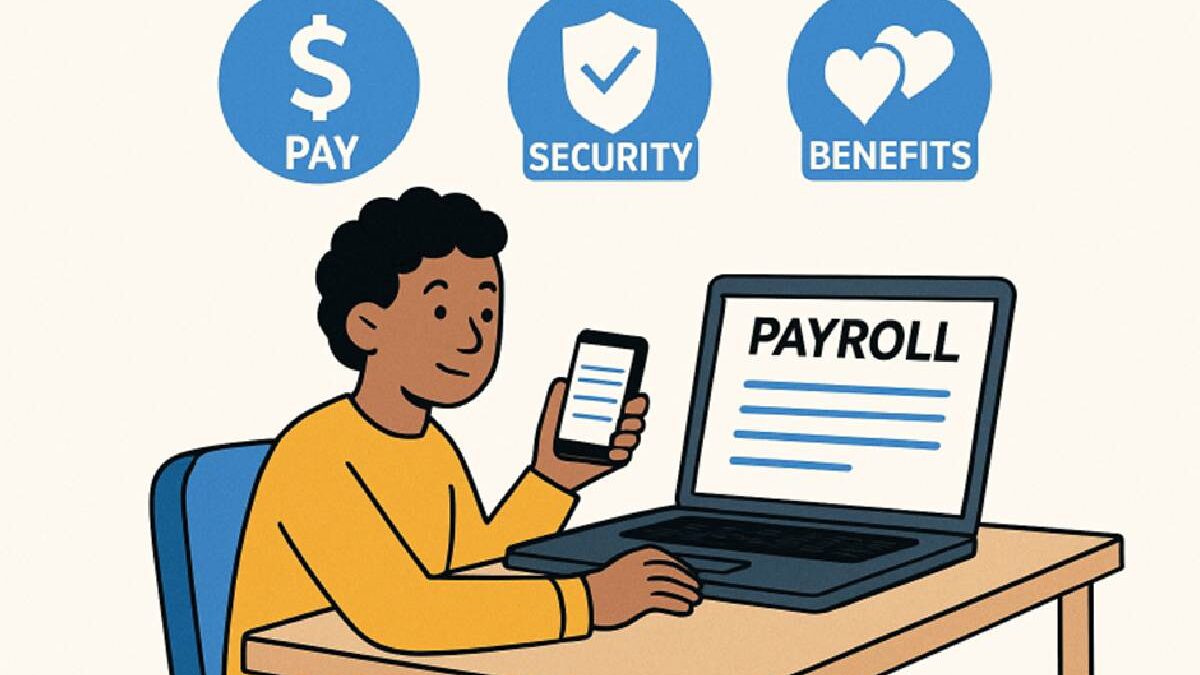
In today’s rapidly evolving work landscape, payroll technology has become much more than just processing salaries and deductions. It now stands at the heart of organizational trust and employee engagement, impacting morale and productivity across diverse workplaces. Solutions such as payroll services for businesses offer far more than efficient pay cycles; they help employees feel empowered, valued, and in control of their financial lives.
The new era of payroll is about proactive employee experience management. When employees have direct access to their pay data, benefits, and support tools, the relationship with their employer deepens. They experience less uncertainty, greater autonomy, and enjoy clear communication about compensation. For any company focused on long-term success, investment in optimized payroll solutions is no longer optional; it’s essential.
Aside from automation and user-friendly interfaces, the shift toward holistic digital payroll brings several innovations. Integrated platforms are breaking down silos between HR, payroll, and benefits; advanced analytics reduce risks and errors; and mobile access ensures inclusivity. These changes are reshaping how organizations support, retain, and attract talent in highly competitive markets.
Payroll is now a strategic touchpoint, not just a back-office function. Companies that leverage their full potential are positioning themselves as employers of choice, committed to transparency, security, and employee well-being. Below, we’ll explore the specific trends and features fueling this transformation.
Table of Contents
Self-Service Portals
The rise of self-service portals is fundamentally transforming the payroll experience for employees. Workers can check their pay history, clarify tax deductions, and access benefit information without waiting for HR to respond to requests. With mobile and web accessibility, these platforms address the needs of desk and non-desk employees alike, ensuring that everyone from office staff to field operatives in logistics and healthcare can manage personal payroll information with ease.
The benefits are significant: transparency into paycheck details, instant access to payslips for applications (such as loans or visas), and reduced repetitive tasks for HR teams. Self-service tools foster a culture of trust and accountability, as employees are less likely to encounter surprises or discrepancies in their earnings. A recent article by the American Payroll Association notes that streamlined payroll communications have contributed to improved engagement and job satisfaction across many industries.
AI and Automation
Automation and AI are rapidly advancing payroll accuracy and efficiency. With machine learning algorithms, payroll software can quickly identify anomalies, flag inconsistencies, and automate complex calculations, vastly reducing the risk of human error. Automated compliance monitoring ensures organizations keep pace with regulatory changes, while predictive analytics enable proactive financial planning and employee tax support.
For companies doing business in multiple jurisdictions, AI-driven payroll helps localize compliance, adhere to tax codes, and handle multilingual communication. These improvements directly impact employee trust: when workers experience timely, error-free payments and easy issue resolution, their confidence in the organization grows.
Mobile-First Experiences
Today’s workforce demands flexibility, and payroll systems are meeting that demand with mobile-friendly interfaces. Employees can access digital wage slips, interactive pay breakdowns, and receive notifications about payroll events directly on their smartphones. This mobile-first approach ensures that all employees, including remote or shift workers, are equally empowered.
Key features such as in-app support, one-click access to documents, and real-time wage tracking give workers greater visibility and peace of mind. Mobile-optimized payroll experiences can increase employee engagement and reduce turnover by creating a sense of personal autonomy over financial affairs.
Data Privacy and Cybersecurity
As payroll systems digitize, safeguarding sensitive data has become more complex and urgent. Organizations are implementing zero-trust security models, rigorous data encryption, and frequent third-party risk assessments. By embedding privacy-by-design principles and continuously updating to meet GDPR, CCPA, or similar global standards, companies show employees that their information is valued and secure.
This emphasis on cybersecurity not only reduces vulnerability to breaches but also reassures staff that their pay, benefits, and identity details are in responsible hands. Financial security and personal privacy are non-negotiable elements of a positive employee experience.
Integrated Systems
Integration between payroll, HR, finance, and scheduling systems unlocks synergy across departments. Automated data flow eliminates manual data entry, cuts down errors, and ensures consistency in personnel records. For HR, this integration enables real-time updates in pay and benefits, automating processes from onboarding to offboarding.
Employees benefit from faster issue resolution and a more holistic understanding of their compensation and benefits, while companies enjoy cost savings and operational efficiency. Seamless system integration supports compliance and strengthens organizational culture by closing communication gaps between back-office functions and the workforce.
Financial Wellness Support
Beyond accurate, timely payments, employees increasingly expect assistance with financial planning and resilience. Flexible pay arrangements, such as on-demand or early wage access, help workers manage cash flow more effectively, reducing stress and increasing loyalty. Payroll systems are expanding to include educational tools, access to financial counseling, and links to savings or retirement product partners.
When organizations take visible steps to support financial well-being, the impact on morale and retention is measurable. Companies with robust financial wellness programs experience higher levels of job satisfaction and lower turnover.
Real-Time Payroll Processing
Cloud-based and real-time payroll solutions have significantly accelerated how employers manage last-minute payroll changes, retroactive adjustments, and geographically dispersed teams. These technologies allow for dynamic payroll closing, ensuring accurate and timely payments even when modifications occur just before payday.
Employees benefit from immediate access to wages they have already earned, enhancing financial flexibility. Real-time processing also minimizes administrative bottlenecks, which is crucial for businesses scaling globally or employing shift-based teams.
Conclusion
The evolution of modern payroll solutions is redefining how companies foster employee experience. By embracing self-service, AI and automation, mobile-first approaches, data security, integrated systems, financial wellness, and real-time pay, organizations not only drive operational efficiency but also position themselves as supportive, forward-thinking employers. Trust, transparency, and empowerment in payroll processing are now integral to building a thriving, loyal workforce for a modern business environment.